
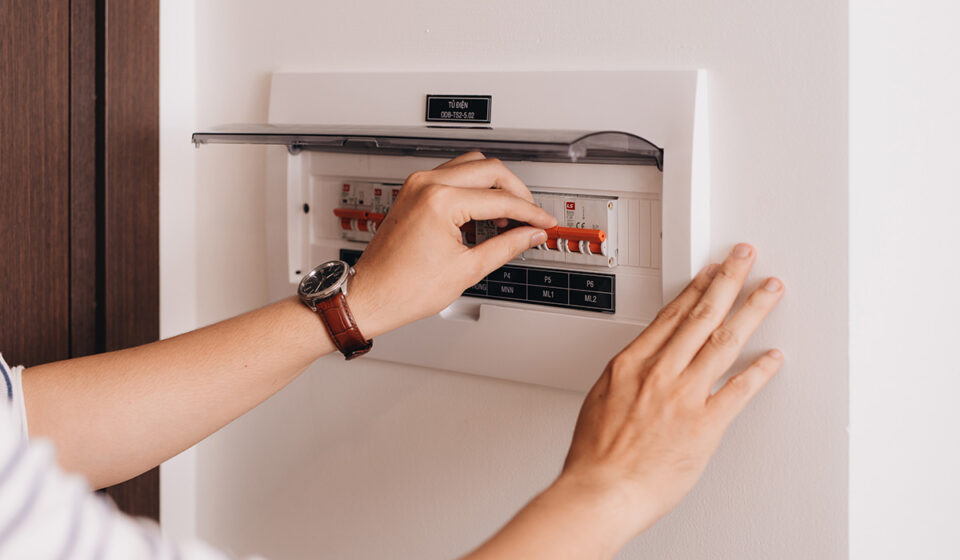

If the lights suddenly go out in one room, or an outlet stops working, you may have a tripped circuit breaker. This built-in safety feature protects your electrical system from overloads and short circuits. While resetting a breaker is usually simple, doing it the wrong way can be unsafe or cause repeat trips. This guide explains how to safely reset a tripped breaker and what to do if it keeps happening.
Table Of Content
What Is a Circuit Breaker and Why Does It Trip?
A circuit breaker is an electrical safety switch located in your home’s main service panel (breaker box). It automatically cuts power when a circuit is overloaded, shorted, or experiences a ground fault. This prevents overheating, fires, and electrical damage.
Common reasons for a tripped breaker include:
- Plugging too many devices into one outlet or power strip
- A short circuit caused by damaged wires or outlets
- Faulty appliances drawing excess current
- Water exposure or moisture in wiring or outlets
- Old or weak circuit breakers that no longer hold properly
Before You Begin
Before touching your electrical panel, make sure you understand basic safety precautions:
- Stand on a dry surface and make sure your hands are completely dry.
- Remove any metal jewelry, watches, or conductive items.
- Use a flashlight if the power is out, rather than your phone’s metal frame near the panel.
- Do not force any breaker switch — if it feels loose, burned, or stuck, call an electrician.
How to Find the Tripped Breaker
Your breaker panel is usually located in a basement, garage, utility room, or hallway closet. Once opened, look for the breaker that’s in a different position than the others — usually halfway between ON and OFF or with a small orange or red indicator showing it’s tripped.
In some modern panels, tripped breakers are marked with a small flag or light indicator next to the switch.
Step-by-Step: Safely Resetting a Tripped Breaker
- Turn off or unplug devices on that circuit.
Identify which outlets, lights, or appliances lost power and turn them off. This prevents a sudden surge when power is restored. - Locate the tripped breaker.
Find the switch in the panel that is not aligned with the rest. It may be slightly “in the middle” or show a colored indicator. - Move the breaker fully to the OFF position.
Push the switch firmly to OFF until you feel or hear a click. This step resets the internal spring mechanism. - Flip the breaker back to ON.
Push the switch back to the ON position. You should feel another firm click. The circuit should now be active again. - Check for restored power.
Turn on the affected lights or plug devices back in one by one. Avoid turning everything on at once to prevent re-tripping.
What to Do If the Breaker Trips Again
If the breaker trips immediately or shortly after resetting, that means there’s an ongoing issue. Avoid repeated resets — this can overheat wiring. Instead, try these troubleshooting steps:
- Unplug all devices from the affected circuit and reset the breaker again. If it stays on, one of your devices is faulty.
- Check for water or moisture, especially near kitchens, bathrooms, basements, or outdoor outlets.
- Look for signs of damage such as scorch marks, buzzing outlets, or a burning smell.
- Test outlets with a voltage tester to confirm power and detect short circuits.
- Call a licensed electrician if the breaker continues to trip — there could be a wiring issue or a bad breaker.
Common Circuit Breaker Types
| Breaker Type | Purpose | Typical Location |
|---|---|---|
| Standard Single-Pole | Protects 120-volt circuits such as outlets and lights | Most common in bedrooms, living rooms, and hallways |
| Double-Pole | Handles 240-volt appliances like dryers, stoves, and water heaters | Found in laundry rooms, kitchens, and utility areas |
| GFCI Breaker | Protects against ground faults and shocks in wet areas | Used in bathrooms, garages, outdoor circuits, and near sinks |
| AFCI Breaker | Prevents fires from electrical arcs and faulty wiring | Common in bedrooms and living areas per newer electrical codes |
Signs You May Need a New Breaker
- The breaker trips frequently with no clear cause.
- It won’t reset or feels loose when toggled.
- There’s a burning smell or visible scorch marks on the switch.
- You hear crackling or buzzing from the breaker panel.
- The switch feels hot to the touch even when power is off.
In these cases, contact a licensed electrician. Replacing or upgrading your breaker box requires professional knowledge of electrical codes and safety.
Safety Tips and Best Practices
- Label each breaker in your panel so you know which room or appliance it controls.
- Keep the panel area dry and free of clutter for easy access.
- Use properly rated extension cords and surge protectors to avoid overloading circuits.
- Install GFCI and AFCI breakers where required by local code for added protection.
- Have your electrical system inspected every 5–10 years, especially in older homes.
Final Thoughts
Resetting a tripped circuit breaker is usually straightforward, but always prioritize safety. Never force a breaker or reset one that immediately trips again. Frequent tripping is a sign of an electrical problem that needs professional attention.
By understanding how your circuit breaker works and following these steps carefully, you can restore power safely, prevent electrical hazards, and keep your home’s wiring in good condition for years to come.