
The kitchen is the heart of the home — and unfortunately, one of the most attractive places for pests. Warmth, moisture, crumbs, food storage, and constant activity make it the perfect environment for insects and rodents to thrive. Even spotless kitchens can face infestations because pests only need tiny entry points and minimal food to survive.
Table Of Content
- Why Kitchens Attract Pests
- 1. Food Sources Are Everywhere
- 2. Ideal Shelter & Hiding Spots
- 3. High Moisture Levels
- 4. Easy Entry Points
- Common Kitchen Pests and What Brings Them In
- 🟤 Cockroaches
- 🐜 Ants
- 🐀 Mice & Rats
- 🍌 Fruit Flies & Drain Flies
- 🟠 Pantry Pests (Moths, Beetles)
- How to Keep Pests Out of the Kitchen
- 1. Seal All Food Properly
- 2. Maintain a Clean Kitchen Routine
- 3. Fix Moisture Problems
- 4. Seal Entry Points
- 5. Store Trash and Recycling Correctly
- 6. Protect Your Pantry
- 7. Schedule Professional Pest Control
- When to Call a Pest-Control Expert
- Final Thoughts
In this guide, we explain why pests target kitchens, which species are most common, and how to keep them out for good using proven prevention strategies.
Why Kitchens Attract Pests
1. Food Sources Are Everywhere
Kitchens naturally contain the things pests want most: food and moisture. Even small crumbs under appliances, open fruit bowls, unsealed cereal boxes, or sticky spills in cabinets can sustain ants, roaches, and rodents for weeks.
2. Ideal Shelter & Hiding Spots
Warm, dark areas behind the refrigerator, dishwasher, or inside cabinets provide safe nesting spaces. Many pests only need a gap the size of a coin to start building a colony.
3. High Moisture Levels
Leaky pipes, wet sponges, sink drains, and dishwashers create damp environments that attract roaches, ants, drain flies, and silverfish.
4. Easy Entry Points
Kitchens often have more exterior wall penetrations than other rooms: plumbing, vents, electrical lines, and windows. Any crack or gap can become a pest highway.
Common Kitchen Pests and What Brings Them In
🟤 Cockroaches
Roaches love grease residue, crumbs, moisture, and dark hiding areas. They thrive behind fridges, under sinks, or inside cabinets.
🐜 Ants
Ants follow scent trails from the outdoors into your kitchen in search of sugar, bread, and even pet food.
🐀 Mice & Rats
Rodents can flatten their bodies to squeeze under doors or through pipe openings. Kitchens offer them food, water, and nesting materials.
🍌 Fruit Flies & Drain Flies
Overripe fruit, dirty garbage bins, and organic sludge in sink drains attract flying pests quickly — especially in warm months.
🟠 Pantry Pests (Moths, Beetles)
Flour, rice, pasta, cereal, and nuts stored in thin packaging can easily become infested.
How to Keep Pests Out of the Kitchen
1. Seal All Food Properly
- Store dry goods in airtight containers
- Keep fruit in the fridge during warmer months
- Clean spills immediately
Small food residues are the #1 attractant for most kitchen pests.
2. Maintain a Clean Kitchen Routine
Daily habits make the biggest difference:
- Wipe counters after meals
- Sweep or vacuum crumbs around appliances
- Clean grease from stovetops
- Take garbage out regularly and use tight-fitting lids
Deep-clean monthly: under fridge, behind stove, and inside cabinets.
3. Fix Moisture Problems
- Repair leaks under the sink
- Avoid leaving wet rags or sponges out overnight
- Clear out drain sludge
- Run exhaust fans to reduce humidity
Pests survive longer with moisture, even when food is scarce.
4. Seal Entry Points
Check these high-risk areas:
- Gaps around pipes under the sink
- Cracks behind the dishwasher
- Window screens
- Door sweeps
- Wall openings behind appliances
Use silicone caulk, steel wool, or weatherstripping where needed.
5. Store Trash and Recycling Correctly
Garbage is one of the strongest attractants:
- Use sealed trash cans
- Rinse recycling before tossing
- Clean bins weekly to prevent residue buildup
6. Protect Your Pantry
- Inspect dry goods before buying
- Avoid keeping products in thin paper packaging
- Discard expired food
- Rotate items so older products get used first
Pantry pests spread fast once inside.
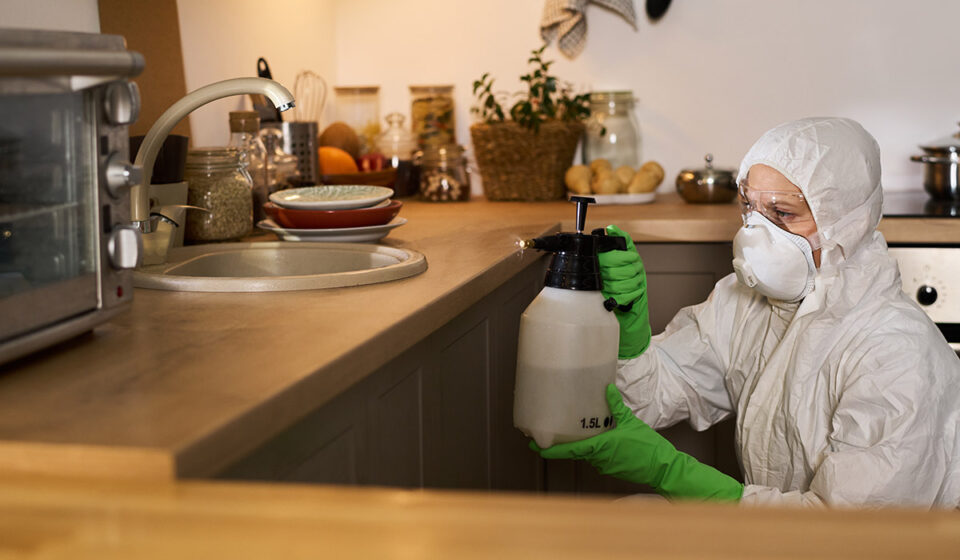
7. Schedule Professional Pest Control
Even well-maintained kitchens can face infestations. A professional service can:
- Identify entry points
- Treat hidden nesting areas
- Apply pet-safe, long-lasting barriers
- Set up prevention plans for year-round protection
For chronic issues like roaches, mice, or drain flies, professional intervention is the fastest and safest solution.
When to Call a Pest-Control Expert
You should contact a professional if you notice:
- Recurring ants even after cleaning
- Roaches appearing during the day
- Droppings under the sink or behind appliances
- Strange odors coming from cabinets or walls
- Fruit flies that return after cleaning drains
These are signs of deeper problems that require expert treatment.
Final Thoughts
Kitchens attract pests naturally because of food, warmth, moisture, and numerous hiding spots — but with consistent cleaning habits, proper food storage, and sealing entry points, you can significantly reduce the risk. For severe or recurring problems, professional pest control ensures your kitchen stays safe, clean, and pest-free all year long.