
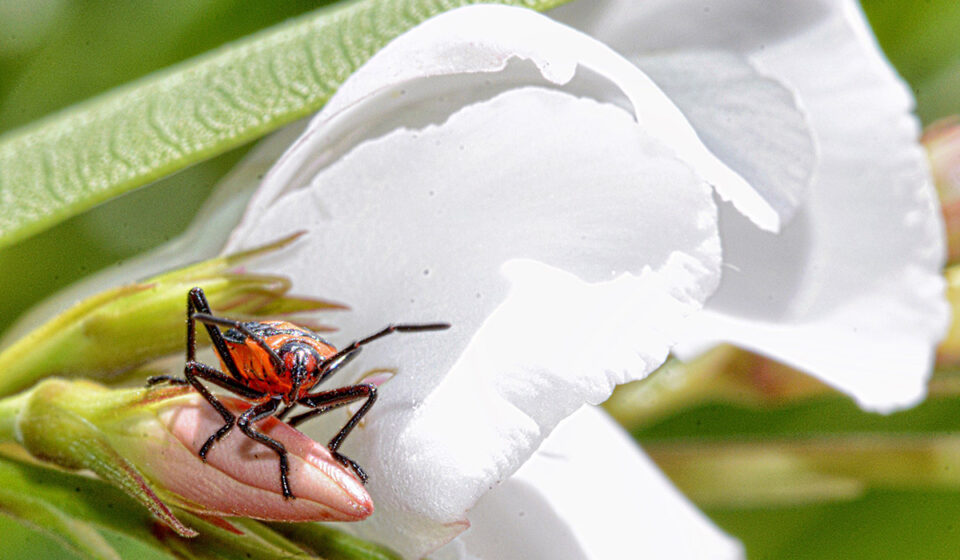

As temperatures rise and moisture levels increase, spring becomes the prime season for pest activity. Insects awaken from winter dormancy, rodents become more active, and moisture-loving pests move closer to homes in search of food and shelter. For homeowners, this seasonal shift can quickly turn into a battle against ants, spiders, mosquitoes, and more.
Table Of Content
- 1. Ants
- 2. Spiders
- 3. Mosquitoes
- 4. Termites
- 5. Flies (House Flies, Cluster Flies, Fruit Flies)
- 6. Stinging Insects (Wasps & Hornets)
- 7. Rodents (Mice & Rats)
- 8. Ticks & Fleas
- 1. Deep Clean Key Areas
- 2. Seal Cracks & Entry Points
- 3. Remove Standing Water
- 4. Maintain Your Yard
- 5. Schedule Preventative Pest Control
Below, we’ll walk through the most common spring pests and the most effective ways to prevent them before they become a full infestation.
1. Ants
Spring is one of the busiest seasons for ants. Warmer weather triggers colonies to forage, sending long trails into kitchens and bathrooms.
Why they appear:
- Searching for sugars, crumbs, and moisture
- Following scent trails into homes
- Cracks around windows, foundations, and plumbing lines
How to stop them early:
- Seal food in airtight containers
- Wipe counters daily and clean spills immediately
- Seal entry points with caulk
- Remove standing water and fix leaks
- Use professional-grade ant barriers for long-term control
2. Spiders
Spiders become more active in spring as they hunt emerging insects. While most are harmless, some species can deliver painful bites.
Why they appear:
- Abundance of spring insects
- Cluttered storage areas
- Gaps around windows and doors
How to stop them early:
- Reduce indoor clutter
- Vacuum corners, basements, and garages often
- Seal exterior cracks
- Install tight-fitting screens
- Maintain seasonal pest control to reduce insect food sources
3. Mosquitoes
Spring rains and warmer days create ideal breeding grounds for mosquitoes, especially near standing water.
Why they appear:
- Puddles, birdbaths, clogged gutters, planters, and buckets
- Temperatures consistently above 50°F (10°C)
How to stop them early:
- Remove standing water weekly
- Clean gutters and drainage areas
- Use mosquito dunks in water features
- Trim vegetation around the yard
- Hire professional yard treatments for lasting protection
4. Termites
Spring is termite swarm season. When these pests start mating flights, it’s a sign of active colonies nearby.
Why they appear:
- Moist soil around foundations
- Wood-to-ground contact
- Untreated structural wood
- Mulch piled against exterior walls
How to stop them early:
- Keep mulch 12 inches away from the foundation
- Fix leaks and drainage issues
- Reduce wood-to-soil contact
- Schedule a professional termite inspection
- Install preventative bait systems if needed
5. Flies (House Flies, Cluster Flies, Fruit Flies)
Flies thrive in spring as temperatures rise and organic material begins to break down outdoors.
Why they appear:
- Trash bins, compost, pet waste
- Open doors and windows
- Ripening fruit or fermenting food indoors
How to stop them early:
- Store trash with tight-fitting lids
- Keep screens in good condition
- Clean drains to prevent fruit fly breeding
- Maintain regular kitchen sanitation
- Professional perimeter treatments reduce fly populations significantly
6. Stinging Insects (Wasps & Hornets)
Spring is nest-building season for wasps. Early nests start small but can become dangerous by mid-summer.
Why they appear:
- Eaves, attics, decks, sheds
- Sources of wood fiber (fences, siding)
- Abundant insect prey
How to stop them early:
- Inspect for small starter nests in early spring
- Remove nests before they grow (or call a professional)
- Seal gaps leading into attics
- Reduce outdoor food sources during spring gatherings
7. Rodents (Mice & Rats)
Rodents remain active in spring, especially after breeding during winter months.
Why they appear:
- Easily accessible garage or attic spaces
- Crumbs and food sources in kitchens
- Warm nesting materials
How to stop them early:
- Seal all entry points larger than 1/4 inch
- Store food in sealed containers
- Keep garages and basements clutter-free
- Use professional exclusion and trapping if activity is detected
8. Ticks & Fleas
Grass growth and increased wildlife movement make spring a major season for biting pests.
Why they appear:
- Tall grass, wooded areas, leaf litter
- Rodents and wildlife carrying them into yards
How to stop them early:
- Keep grass trimmed
- Clear leaf piles
- Treat pets regularly
- Schedule perimeter treatments during spring and summer months
How to Prepare Your Home for Spring Pest Season
1. Deep Clean Key Areas
Kitchens, basements, and garages attract the most activity.
2. Seal Cracks & Entry Points
Caulk gaps around windows, doors, and plumbing penetrations.
3. Remove Standing Water
Prevent mosquito and fly breeding by eliminating moisture sources.
4. Maintain Your Yard
Trim shrubs, mow grass, and keep clutter away from the home perimeter.
5. Schedule Preventative Pest Control
Spring is the perfect time for a professional inspection and treatment plan.
Final Thoughts
Spring pest activity begins long before homeowners notice the first signs. By understanding which pests are most common and acting early, you can protect your home from infestations that become costly and difficult to control later in the season. For persistent issues — or if you want year-round peace of mind — professional pest control is the most reliable solution.