
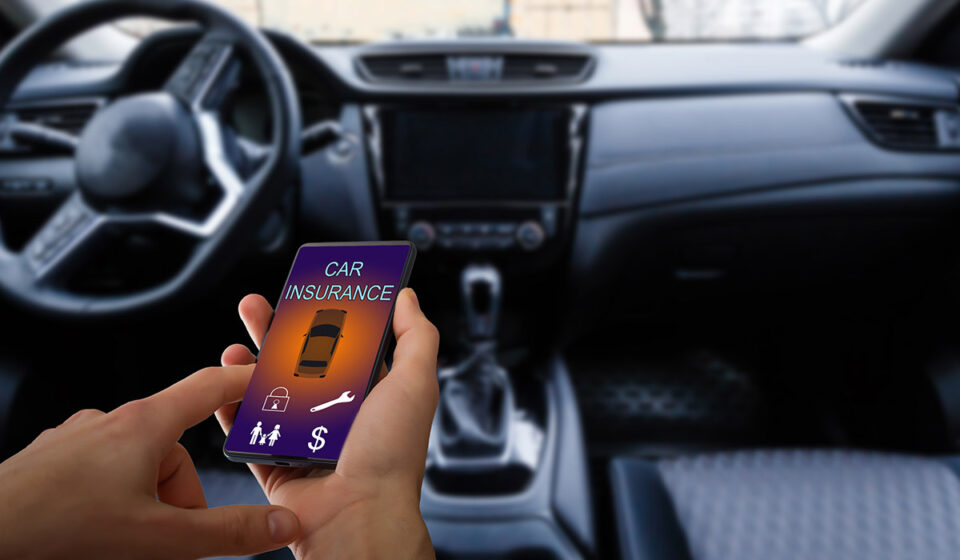

Usage-based insurance (UBI), often powered by telematics technology, is changing how car insurance premiums are calculated. Instead of relying mainly on age, credit score, or ZIP code, UBI uses real driving data — such as mileage and driving behavior — to shape your rate.
Table Of Content
- 📊 What Is Usage-Based & Telematics Car Insurance?
- ✅ Pros: Why Drivers Choose Telematics Insurance
- 💸 1. Potential for Lower Premiums
- 📉 2. Fairer Pricing
- 🚘 3. Encourages Safer Driving
- 👨👩👧 Good for Teens & Inexperienced Drivers
- 📱 Real-Time Feedback & Insights
- ⚠️ Cons: What You Should Consider
- 🔐 1. Privacy Concerns
- 📶 2. Data Usage & Security
- 🚦 3. Not Always Savings for Everyone
- 🛠️ 4. Technology Limitations
- 🕐 5. Driving Situations Outside Your Control
- 🧠 Who Benefits Most?
- 📍 Quick Comparison: Traditional vs Usage-Based Insurance
- 📌 Final Takeaway
📊 What Is Usage-Based & Telematics Car Insurance?
Usage-based insurance (UBI) is a type of auto coverage where your insurer adjusts your premium based on your actual driving habits and usage, tracked through:
- A telematics device plugged into your vehicle
- A smartphone app that monitors speed, braking, and miles driven
Telematics programs include:
- Pay-As-You-Drive (PAYD): Costs depend largely on how much you drive
- Pay-How-You-Drive (PHYD): Rates reflect both mileage and driving behavior like braking, speeding, and time of day Independent Insurance Associates
✅ Pros: Why Drivers Choose Telematics Insurance
💸 1. Potential for Lower Premiums
Safe drivers and low-mileage motorists often enjoy significant discounts because insurers reward real-world behavior rather than broad demographic assumptions.
📉 2. Fairer Pricing
Instead of basing your rate mainly on age, ZIP code, or credit score, UBI tailors your cost to how you actually drive — so careful drivers pay less.
🚘 3. Encourages Safer Driving
Tracking your behavior — smooth braking, avoiding hard accelerations, night-time driving — can motivate you to improve your habits, which may reduce accident risk and your insurance cost over time.
👨👩👧 Good for Teens & Inexperienced Drivers
Parents can monitor teen driving habits and encourage safer behavior, potentially lowering rates for young drivers who otherwise pay high premiums.
📱 Real-Time Feedback & Insights
Many programs offer feedback or scorecards that help you understand your driving patterns — useful for all drivers aiming to be safer and spend less.
⚠️ Cons: What You Should Consider
🔐 1. Privacy Concerns
Telematics collects detailed data — such as when, where, and how you drive — which some drivers find intrusive. Be sure you understand what data insurers collect and how they use it.
📶 2. Data Usage & Security
Insurers store sensitive driving data, which raises questions about data protection and who might access it.
🚦 3. Not Always Savings for Everyone
If your driving habits don’t qualify as “safe” under a insurer’s scoring system, you might not get discounts — or in some markets, your premiums could even increase based on your behavior.
🛠️ 4. Technology Limitations
Some older vehicles may require plug-in devices, and not all insurers offer telematics programs in every region.
🕐 5. Driving Situations Outside Your Control
Urban traffic, frequent stops, night-shift driving, or unavoidable hard braking might unfairly impact your score, even if you’re a safe driver overall.
🧠 Who Benefits Most?
Usage-based insurance is often worth it if:
✔ You drive less than average miles per year
✔ You’re a consistently safe driver
✔ You want behavior-based discounts
✔ You’re comfortable sharing some driving data
It may be less appealing if:
❌ Your driving patterns are unpredictable
❌ You frequently drive in heavy traffic or at night
❌ You’re concerned about privacy
❌ Your insurer penalizes risky behavior without offsetting discounts
📍 Quick Comparison: Traditional vs Usage-Based Insurance
| Feature | Traditional Insurance | Telematics / Usage-Based Insurance |
|---|---|---|
| Price Based On | Age, ZIP code, demographics | Real driving behavior & mileage |
| Discounts | Static, often limited | Dynamic, based on performance |
| Data Collected | Minimal | Detailed telematics data |
| Best For | Average drivers | Low-mileage & safe drivers |
| Privacy Risk | Low | Higher |
📌 Final Takeaway
Usage-based & telematics insurance can be worth it — especially if you’re a safe, low-mileage driver who wants personalized rates and better insights into your driving. However, weigh the potential savings against privacy concerns and how comfortable you are sharing driving data with your insurer.