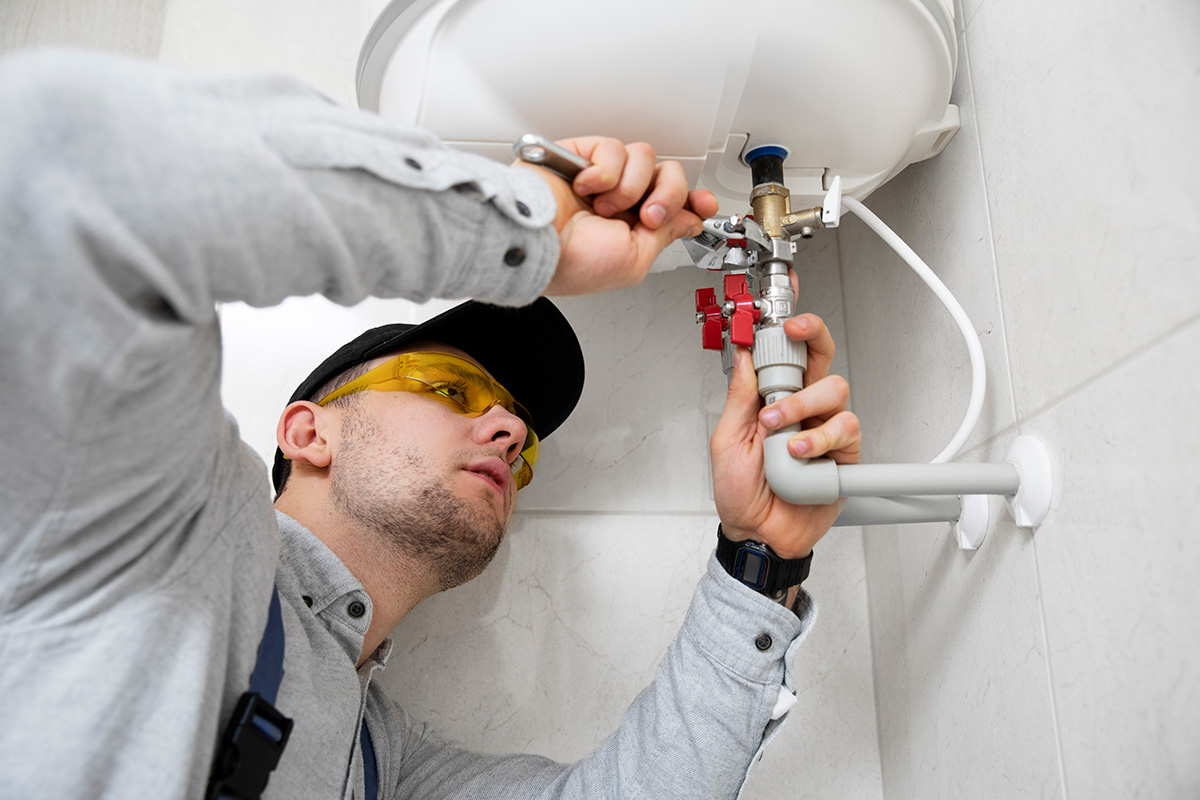

Hot water is something most of us take for granted — until the shower runs cold. Behind the scenes, your water heater is one of the hardest-working appliances in your home. But when it’s time for a replacement, you’re faced with a big decision: stick with a traditional tank water heater or switch to a modern tankless system.
Table Of Content
Both have advantages and disadvantages, and the right choice depends on your household’s needs, budget, and long-term goals. In this article, we’ll break down how each system works and compare the pros and cons of tankless water heaters versus traditional models.
How Each System Works
Traditional Water Heaters
- Store 30–80 gallons of hot water in a tank.
- Continuously heat the water to maintain the set temperature.
- Deliver hot water instantly until the tank is depleted — then you wait for it to refill and reheat.
Tankless Water Heaters
- Also called “on-demand” water heaters.
- Heat water instantly as it flows through the unit.
- Provide continuous hot water, but the flow rate is limited by the system’s size.
Pros and Cons of Traditional Water Heaters
✅ Pros
- Lower upfront cost: Installation is typically cheaper ($800–$1,500).
- Simple replacement: Easy to swap out for another tank unit.
- Immediate familiarity: Most homes already have them, so no major system changes are required.
❌ Cons
- Limited hot water supply: Once the tank is empty, you must wait for it to refill and heat.
- Higher energy costs: Constantly heating water leads to “standby heat loss.”
- Shorter lifespan: Typically lasts 8–12 years.
- Bulky size: Requires significant space in basements, garages, or utility rooms.
Pros and Cons of Tankless Water Heaters
✅ Pros
- Endless hot water: Perfect for large families or back-to-back showers.
- Energy efficiency: Heats water only when needed, reducing energy bills by up to 30%.
- Long lifespan: Can last 15–20 years or more with proper maintenance.
- Compact design: Mounts on walls and frees up floor space.
- Eco-friendly: Lower energy consumption and fewer replacements over time.
❌ Cons
- Higher upfront cost: Installation ranges from $2,000–$4,000.
- Flow rate limitations: May struggle to handle multiple hot water demands at once (e.g., shower + dishwasher).
- Requires upgrades: Older homes may need electrical or gas line modifications.
- Longer payback period: Energy savings accumulate over years, not immediately.
Side-by-Side Comparison
| Feature | Traditional Water Heater | Tankless Water Heater |
|---|---|---|
| Upfront Cost | $800–$1,500 | $2,000–$4,000 |
| Lifespan | 8–12 years | 15–20+ years |
| Energy Efficiency | Lower (constant heating) | Higher (on-demand) |
| Hot Water Availability | Limited (tank size) | Unlimited (flow rate dependent) |
| Space Requirements | Bulky, floor space | Compact, wall-mounted |
| Maintenance | Flushing, anode rod | Annual descaling, filter cleaning |
| Best For | Small budgets, short-term homes | Long-term savings, eco-conscious households |
Which One Is Right for You?
Choose a Traditional Water Heater if:
- You’re on a tighter budget and need a lower upfront cost.
- Your household uses hot water moderately and can manage with a tank supply.
- You plan to move within the next few years.
Choose a Tankless Water Heater if:
- You want long-term energy savings and are willing to pay more upfront.
- Your household uses hot water frequently (large families, multiple bathrooms).
- You’re limited on space and prefer a compact, wall-mounted system.
- You’re planning to stay in your home for the long term.
Real-World Example
- Family A: Lives in a two-bedroom condo, with one bathroom and moderate hot water use. They install a new 40-gallon traditional water heater for $1,200. It lasts 10 years, and the upfront affordability makes sense for their lifestyle.
- Family B: Lives in a four-bedroom home with three bathrooms and kids who all shower in the morning. They invest $3,200 in a tankless system. Over 15 years, they save on energy bills, enjoy endless hot water, and never fight over the last warm shower.
Maintenance Considerations
- Traditional tanks: Require periodic flushing to prevent sediment buildup and anode rod replacement every few years.
- Tankless systems: Need annual descaling in areas with hard water and filter cleaning to maintain efficiency.
Neglecting maintenance shortens the lifespan of both types.
Final Thoughts
Both tankless and traditional water heaters have their place. If you’re looking for affordability and a straightforward replacement, a traditional tank may be the right choice. But if you value efficiency, long-term savings, and endless hot water, a tankless system is worth the investment.
Ultimately, the best water heater for your home depends on your family size, hot water needs, budget, and how long you plan to stay in your home.
If you’re unsure, consult a licensed plumber who can evaluate your home’s plumbing, gas or electrical setup, and recommend the most cost-effective solution.