
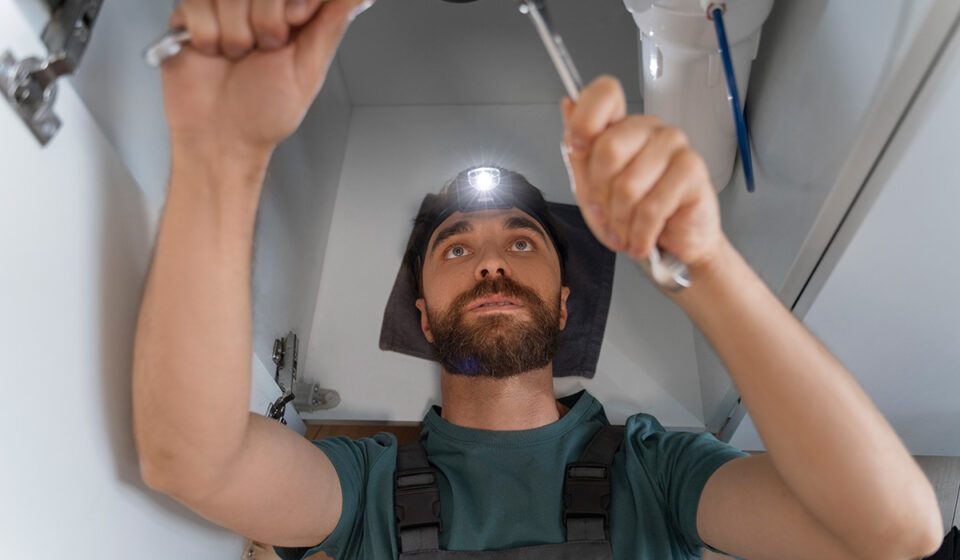

Hidden water leaks are one of the most expensive home problems because you often don’t see them until it’s too late. A slow drip inside a wall can turn into black mold. A tiny pinhole in a pipe under the slab can erode your foundation. A leaking supply line can quietly add hundreds of dollars to your water bill. The good news: you can spot early warning signs before you’re dealing with warped floors, stained ceilings, or a full restoration job.
Table Of Content
- Why Hidden Leaks Are So Dangerous
- Early Warning Signs You May Have a Hidden Water Leak
- 1. Unexplained Increase in Your Water Bill
- 2. Musty or Damp Odors
- 3. Discoloration on Walls, Ceilings, or Baseboards
- 4. Warped Floors or Spongy Spots
- 5. Quiet Dripping or Hissing Sounds
- 6. Constantly Damp Areas Around the Foundation
- DIY Tests to Confirm a Hidden Leak
- 1. Water Meter Test (Whole-Home Leak Check)
- 2. Toilet Dye Test
- 3. Touch and Tap Inspection
- 4. Thermal / Infrared Scan (Optional but Powerful)
- High-Risk Areas You Should Check Regularly
- When a Hidden Leak Becomes an Emergency
- How Professionals Detect and Fix Hidden Leaks
- Simple Prevention Checklist (Do This Monthly)
- Final Thoughts
Below, we’ll walk through the most common early signs of a hidden leak, simple DIY tests you can do today, and when it’s time to call a professional water damage team.
Why Hidden Leaks Are So Dangerous
Not all leaks are dramatic. Many start as slow, constant moisture in areas you don’t normally check — behind drywall, under flooring, inside cabinets, or in crawl spaces. These “invisible” leaks are dangerous because:
- They create mold fast. Mold can start growing in as little as 24–48 hours in humid, damp conditions.
- They weaken building materials. Wood framing, subfloors, and drywall lose their strength and may sag or crumble.
- They attract pests. Moist, dark areas are perfect environments for termites and other insects.
- They drive up utility bills. A hidden leak means you’re paying for water you’re not even using.
Early Warning Signs You May Have a Hidden Water Leak
1. Unexplained Increase in Your Water Bill
If your usage habits haven’t changed but your bill jumped, you might have a continuous leak somewhere in the system. Small supply line leaks and running toilets are extremely common causes.
2. Musty or Damp Odors
A clean home should not smell like a wet basement. That earthy, stale smell usually means moisture is being absorbed into drywall, insulation, or wood framing — even if surfaces still look “dry” to the touch.
3. Discoloration on Walls, Ceilings, or Baseboards
Yellowish or brown stains, bubbling paint, or peeling wallpaper are classic water signals. A wall that looks “swollen” or “soft” is an urgent red flag.
4. Warped Floors or Spongy Spots
Tile lifting at the edges, hardwood planks cupping, or vinyl starting to ripple can mean water is coming from below. In bathrooms and kitchens, check around dishwashers, refrigerators, toilets, and under sinks.
5. Quiet Dripping or Hissing Sounds
At night, turn off the TV and listen. A faint drip behind a wall or a soft “hiss” from a pipe that should be silent may indicate an active leak under pressure.
6. Constantly Damp Areas Around the Foundation
If one area of your yard or slab is always wet, even in dry weather, you may have a broken underground line or a drainage issue pushing water toward the structure.
DIY Tests to Confirm a Hidden Leak
1. Water Meter Test (Whole-Home Leak Check)
- Shut off all water inside and outside the house. Don’t run faucets, toilets, washing machines, sprinklers, etc.
- Locate your water meter and note the reading.
- Wait 30–60 minutes without using any water at all.
- Check the meter again. If the number changed, water is moving somewhere — and that usually means a hidden leak.
2. Toilet Dye Test
Toilets are one of the most common sources of “mystery” water loss.
- Remove the toilet tank lid.
- Add a few drops of food coloring (blue or red works best) to the tank water.
- Wait 10–15 minutes without flushing.
- Check the toilet bowl. If colored water has seeped into the bowl, the flapper valve or seal is leaking.
3. Touch and Tap Inspection
Gently press along drywall near showers, tubs, and sinks. If the wall feels soft, spongy, or “crumbly,” moisture may be trapped behind it. Also tap baseboards with your knuckle — a swollen or hollow sound can indicate water damage behind them.
4. Thermal / Infrared Scan (Optional but Powerful)
Infrared cameras (even inexpensive phone attachments) can sometimes reveal cooler “wet” areas behind walls or ceilings before stains appear. You’re looking for cold patches that don’t match the rest of the wall.
High-Risk Areas You Should Check Regularly
| Area | What to Look For | Why It Matters |
|---|---|---|
| Under sinks (kitchen / bathroom) | Drips from supply lines, puddles in the cabinet, swollen wood, moldy smell | Slow cabinet leaks often go unnoticed until the entire bottom panel is rotting |
| Behind/under appliances | Dishwasher hose, fridge ice maker line, washing machine hoses | These are under constant water pressure and can burst or pinhole |
| Showers & tubs | Cracked grout, loose tiles, soft drywall on the other side of the bathroom wall | Water can migrate sideways into hallways and bedrooms, not just down |
| Water heater area | Rust at the bottom, pooling, “sweating” tank | A failing tank can dump dozens of gallons very quickly |
| Ceilings below bathrooms | Yellow/brown rings, bubbling paint, sagging drywall | Often points to leaking shower pans, toilets, or supply lines upstairs |
When a Hidden Leak Becomes an Emergency
Call a professional water damage team right away if you notice any of the following:
- Ceiling is sagging or bulging. That means the drywall is holding water and could collapse.
- Standing water where it shouldn’t be. Even a “small” puddle inside a wall cavity can lead to mold.
- Black or dark spots spreading on drywall. That can indicate active mold growth, which is a health risk and should be handled with proper protective equipment.
- Warm flooring (for hot water lines) or cold, damp flooring (for slab leaks). Slab leaks can undermine foundations if ignored.
How Professionals Detect and Fix Hidden Leaks
A certified water damage/restoration team doesn’t just “dry things out.” They locate the source, stop the leak, remove unsafe materials, and restore the affected area so it’s safe to live in again. Typical steps include:
- Moisture Mapping: Specialized meters and infrared imaging help trace exactly where water has migrated behind walls and floors.
- Leak Source Repair: Plumbers repair or replace damaged pipes, fittings, valves, or appliance lines.
- Water Extraction: Standing water is pumped or vacuumed out to prevent further absorption.
- Drying & Dehumidification: Commercial fans and dehumidifiers pull moisture out of structural materials to stop mold growth.
- Cleaning & Sanitizing: Surfaces are cleaned and treated to remove odors, bacteria, and mold spores.
- Restoration & Rebuild: Damaged drywall, flooring, trim, and insulation are replaced and finished so the space looks and functions like it did before the leak.
Simple Prevention Checklist (Do This Monthly)
- Open cabinets under sinks and feel for moisture or swollen wood.
- Look at ceilings for new stains or hairline cracks.
- Listen for hissing or dripping when the house is quiet.
- Check the water heater area for rust or puddles.
- Walk barefoot on bathroom and kitchen floors — note any “soft” or unusually warm spots.
- Glance at your water bill total. Sudden jump = investigate.
Final Thoughts
You don’t need to wait for a soaked ceiling to know you have a problem. Trust your senses — smell, sound, touch, and visual changes in walls and floors. If something feels “off,” test it. Use the water meter test, check high-risk zones, and take any stain or musty odor seriously.
If you do find signs of a hidden leak, act fast. Shut off the water, document the damage, and contact a licensed water damage restoration team to prevent mold, protect your structure, and get your home back to safe condition.
Your house won’t tell you loudly at first. You have to know how to listen.