
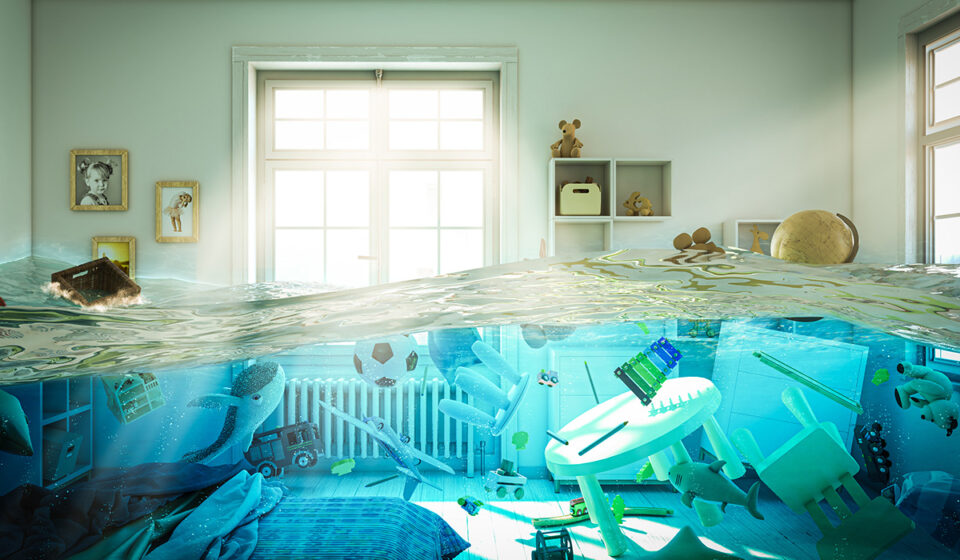

Water damage can strike any part of your home — from a burst pipe in the kitchen to a leaking roof in the attic. The cost of repairs depends heavily on where the damage occurs, how severe it is, and how quickly it’s addressed. The sooner water is removed and drying begins, the lower the cost tends to be. Waiting too long can multiply expenses due to mold growth, warped materials, and structural decay.
Table Of Content
Below you’ll find a detailed breakdown of average water damage repair costs by room type and severity level, plus what factors can increase or decrease your final bill.
What Affects the Cost of Water Damage Repairs?
- Source of water: Clean water from a broken pipe costs less to fix than gray water from appliances or black water from sewage backups.
- Extent of damage: Minor moisture cleanup might only require drying, while severe damage may need full structural and mold remediation.
- Materials affected: Hardwood floors, insulation, cabinets, and drywall absorb water differently and may require replacement.
- Response time: The faster you act, the more you save. Waiting more than 48 hours can lead to mold growth and doubled restoration costs.
- Professional involvement: DIY cleanup can reduce cost, but professional drying and sanitization are often needed to prevent hidden damage.
Average Cost by Room
Each room in your home has different materials, fixtures, and water sources. Here’s what you can typically expect to pay for repairs, cleanup, and restoration.
| Room | Typical Cause | Average Repair Cost | Details |
|---|---|---|---|
| Basement | Groundwater seepage, sump pump failure, foundation cracks | $1,500 – $7,000+ | Cost depends on severity and whether structural foundation repair or waterproofing is needed. Mold removal can add another $1,000–$3,000. |
| Bathroom | Leaking toilet, shower pan failure, burst supply line | $1,000 – $5,000 | Repairs may involve tile replacement, drywall drying, and fixing plumbing leaks behind walls. |
| Kitchen | Leaking dishwasher, sink drain, refrigerator line | $1,500 – $6,000 | Costs rise when cabinetry or hardwood floors need replacement. Appliance leaks can also cause electrical and subfloor issues. |
| Living Room | Leaky roof, upstairs plumbing leak, window leaks | $1,200 – $4,500 | Water-damaged drywall, ceilings, and flooring are typical. Costs increase if insulation or electrical wiring is affected. |
| Bedroom | Roof leaks, window seal failure, condensation buildup | $800 – $3,500 | Usually involves ceiling repair, drywall drying, carpet replacement, and mold prevention in wall cavities. |
| Attic | Roof leaks, ice dams, condensation from poor ventilation | $1,000 – $4,000 | Repairs often include insulation replacement, mold cleanup, and roof patching or vent upgrades. |
Average Cost by Severity
The following table provides a general idea of costs based on how severe the damage is — from light drying to major structural restoration.
| Severity Level | Description | Average Cost Range |
|---|---|---|
| Minor (Category 1) | Clean water from sink overflow or minor appliance leak. Minimal damage and quick drying needed. | $500 – $1,500 |
| Moderate (Category 2) | Gray water from washing machine, dishwasher, or toilet overflow. Affects flooring, drywall, or cabinets. | $1,500 – $4,000 |
| Severe (Category 3) | Black water contamination (sewage, flooding). Requires removal of porous materials and sanitization. | $4,000 – $10,000+ |
| Major Structural Damage | Water soaked into framing, foundation, or roof. Mold growth or reconstruction required. | $10,000 – $30,000+ |
Additional Cost Factors
- Mold remediation: $1,000–$5,000 depending on the extent of growth.
- Flooring replacement: Carpet drying is cheaper ($200–$500 per room) than hardwood replacement ($2,000+).
- Drywall repair: Usually $1.50–$3 per square foot to remove, dry, and replace sections.
- Ceiling repair: Sagging ceilings cost $300–$1,200 to restore depending on area.
- Plumbing repair: Fixing the leak itself often costs $150–$800 depending on accessibility.
Ways to Lower Water Damage Costs
- Act fast: Turn off the main water valve as soon as you notice a leak to stop further damage.
- Document everything: Take photos for your insurance claim before cleanup starts.
- Use professional drying equipment: High-speed fans and dehumidifiers reduce secondary damage.
- Check insurance coverage: Homeowner’s policies typically cover sudden and accidental damage (not neglect or flooding).
- Prevent future leaks: Replace old hoses, caulk around tubs and sinks, and inspect your roof twice a year.
Quick Overview Table
| Area / Severity | Typical Range | Common Causes |
|---|---|---|
| Minor kitchen leak | $800 – $2,000 | Leaking dishwasher or sink pipe |
| Basement flood | $3,000 – $8,000 | Heavy rain or sump pump failure |
| Bathroom leak behind wall | $1,200 – $4,500 | Shower pan or toilet seal failure |
| Roof leak into ceiling | $1,000 – $5,000 | Storm or shingle damage |
| Severe sewage backup | $5,000 – $12,000 | Clogged main drain or septic backup |
Final Thoughts
Repairing water damage can range from a small $500 fix to a major multi-thousand-dollar restoration depending on where and how severe the damage is. The key to minimizing costs is speed — act immediately to stop the source of water, start drying, and call professionals if needed.
Preventative maintenance, regular inspections, and knowing where your main shutoff valve is can save you thousands in the long run. Remember: water damage doesn’t wait, and every hour counts.