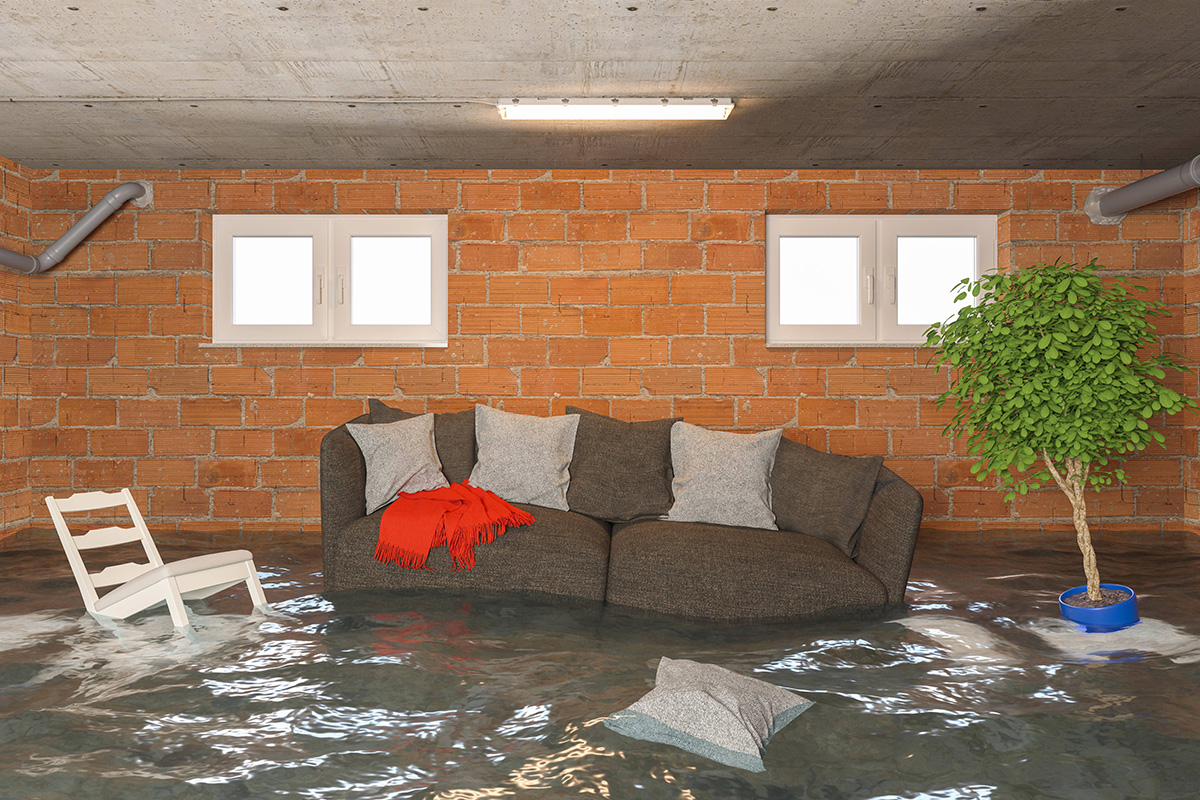


Water damage is one of the most common causes of home insurance claims, but it’s also one of the most misunderstood. Not all types of water damage are covered, and knowing the difference can save homeowners from costly surprises. This guide explains what’s typically included in insurance policies, what’s excluded, and how to handle a claim if water damage affects your home.
Table Of Content
What Types of Water Damage Are Usually Covered?
Most standard homeowners’ insurance policies cover sudden and accidental water damage. This means damage that happens unexpectedly and not due to neglect. Common examples include:
- Burst pipes caused by freezing temperatures
- Accidental appliance leaks (dishwashers, washing machines, water heaters)
- Plumbing overflows such as toilets or sinks
- Roof leaks from sudden storm damage
- Fire sprinkler malfunctions
These events are considered unpredictable, which makes them insurable.
What Types of Water Damage Are Excluded?
Unfortunately, not all water-related issues qualify for coverage. Homeowners are often surprised to learn their policies don’t cover:
- Flooding from outside sources (rivers, lakes, storm surges, or heavy rain entering the home)
- Gradual leaks due to poor maintenance (a dripping pipe that wasn’t fixed in time)
- Sewer backups or sump pump failures (unless you’ve added special coverage)
- Mold damage resulting from long-term moisture issues
- Groundwater seepage through foundations or basement walls
To be protected against floods, you need a separate flood insurance policy, typically offered through the National Flood Insurance Program (NFIP) or private insurers.
Optional Add-Ons for Better Protection
Insurance companies often offer endorsements or riders you can add to your policy for broader coverage. Useful add-ons include:
- Sewer backup coverage — protects against damage from clogged sewer lines or sump pump failures.
- Mold remediation coverage — covers cleanup costs if mold develops after a covered water event.
- Equipment breakdown coverage — may cover damage to HVAC systems, water heaters, or pumps caused by electrical or mechanical issues.
These add-ons are relatively inexpensive compared to the out-of-pocket cost of restoration.
How to File a Water Damage Insurance Claim
If water damage occurs, quick action helps your claim succeed. Follow these steps:
- Stop the water source immediately (turn off the main valve, patch a roof, etc.).
- Document the damage with photos and videos before cleaning up.
- Contact your insurance provider as soon as possible.
- Prevent further damage (use tarps, fans, or temporary repairs).
- Keep receipts for emergency expenses (like a plumber or water extraction service).
- Work with an adjuster to assess the damage and repair costs.
Acting quickly not only limits damage but also shows your insurer you took reasonable steps to protect your property.
Tips for Avoiding Claim Denials
Many claims are denied because insurers determine the damage was preventable. To reduce this risk:
- Inspect plumbing and appliances regularly.
- Replace old hoses, connectors, and water heaters before they fail.
- Maintain your roof, gutters, and downspouts to prevent leaks.
- Install water detection alarms near appliances and in basements.
- Consider a sump pump with battery backup if your home is prone to flooding.
Preventive maintenance proves to your insurer that you are a responsible homeowner.
Water Damage Insurance at a Glance
| Type of Water Damage | Standard Coverage? | Special Policy Needed? |
|---|---|---|
| Burst/frozen pipes | ✅ Yes | No |
| Appliance leaks (sudden) | ✅ Yes | No |
| Roof leaks from storms | ✅ Yes | No |
| Gradual leaks/poor maintenance | ❌ No | Not available |
| Flooding (storm surge, river overflow) | ❌ No | Flood insurance required |
| Sewer/sump backup | ❌ No | Sewer backup coverage |
| Mold damage | ❌ No | Mold rider/endorsement |
Final Thoughts
Understanding what your insurance covers before water damage strikes is crucial. Standard homeowners’ policies protect against sudden and accidental events but exclude floods, gradual leaks, and many secondary problems. Reviewing your policy carefully, adding endorsements, and maintaining your home can help you avoid costly surprises. And if damage does occur, acting fast and documenting thoroughly gives you the best chance of a successful claim.