
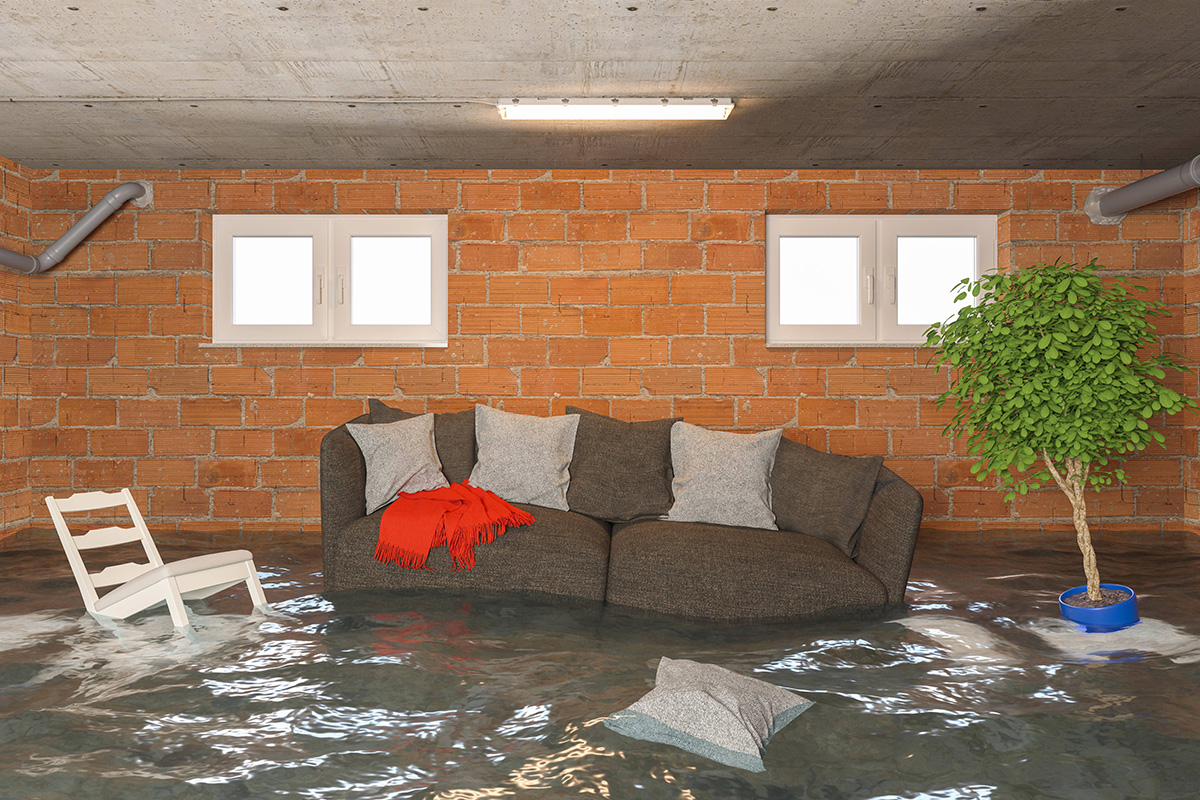

Water damage can strike suddenly — whether from a burst pipe, roof leak, appliance failure, or flooding. In those stressful moments, knowing what to do first can save you thousands of dollars, reduce health risks, and speed up the recovery process.
Table Of Content
Here’s a step-by-step guide to help you act quickly and effectively right after water damage occurs.
1. Ensure Safety First
Before doing anything else, make sure the area is safe. Water can hide dangerous hazards.
- Turn off electricity in the affected area to avoid shocks.
- Watch for structural dangers like sagging ceilings or weakened floors.
- If the water source is from outside (like a flood), avoid direct contact as it may be contaminated.
⚠️ If there’s any doubt about safety, leave the home immediately and call professionals.
2. Stop the Source of Water
The next step is to prevent more water from entering your home.
- Shut off the main water valve if a pipe burst or appliance leaked.
- If the water comes from the roof, cover the leak with a tarp temporarily.
- For natural flooding, wait until it subsides — never try to stop floodwater on your own.
3. Document the Damage for Insurance
Before moving or cleaning anything, take photos and videos of all affected areas and belongings. This documentation will be essential for your insurance claim.
- Capture wide shots of entire rooms.
- Zoom in on damaged items.
- Make a list of lost or ruined belongings.
4. Remove Standing Water
Time is critical — standing water worsens damage by the hour.
- Use buckets, mops, or a wet/dry vacuum if the water is minimal.
- For larger floods, call a professional restoration company with pumping equipment.
5. Dry Out the Area
Moisture left behind leads to mold growth within 24–48 hours. Start drying immediately:
- Open windows and doors for ventilation.
- Use fans and dehumidifiers.
- Remove soaked carpets, rugs, and furniture to dry separately.
6. Clean and Disinfect
Water damage often brings bacteria, especially from sewage backups or floodwater.
- Disinfect hard surfaces with antimicrobial cleaners.
- Wash fabrics with hot water and detergent.
- Throw away items that cannot be sanitized safely (like mattresses or insulation).
7. Contact Your Insurance Company
Notify your insurance provider as soon as possible. Provide them with your photos, videos, and inventory list. They may send an adjuster to assess the damage and guide you through your coverage options.
8. Call a Professional Restoration Service
Even if you manage the initial cleanup, professional help ensures your home is fully dried, sanitized, and restored. Experts have specialized equipment to detect hidden moisture in walls, floors, and ceilings that you may miss.
Final Thoughts
Experiencing water damage can be overwhelming, but acting fast and following these steps will minimize risks and costs. Safety, quick response, and professional help are the keys to protecting your home and health.
👉 Remember: the first 24–48 hours are the most critical. Don’t delay taking action!