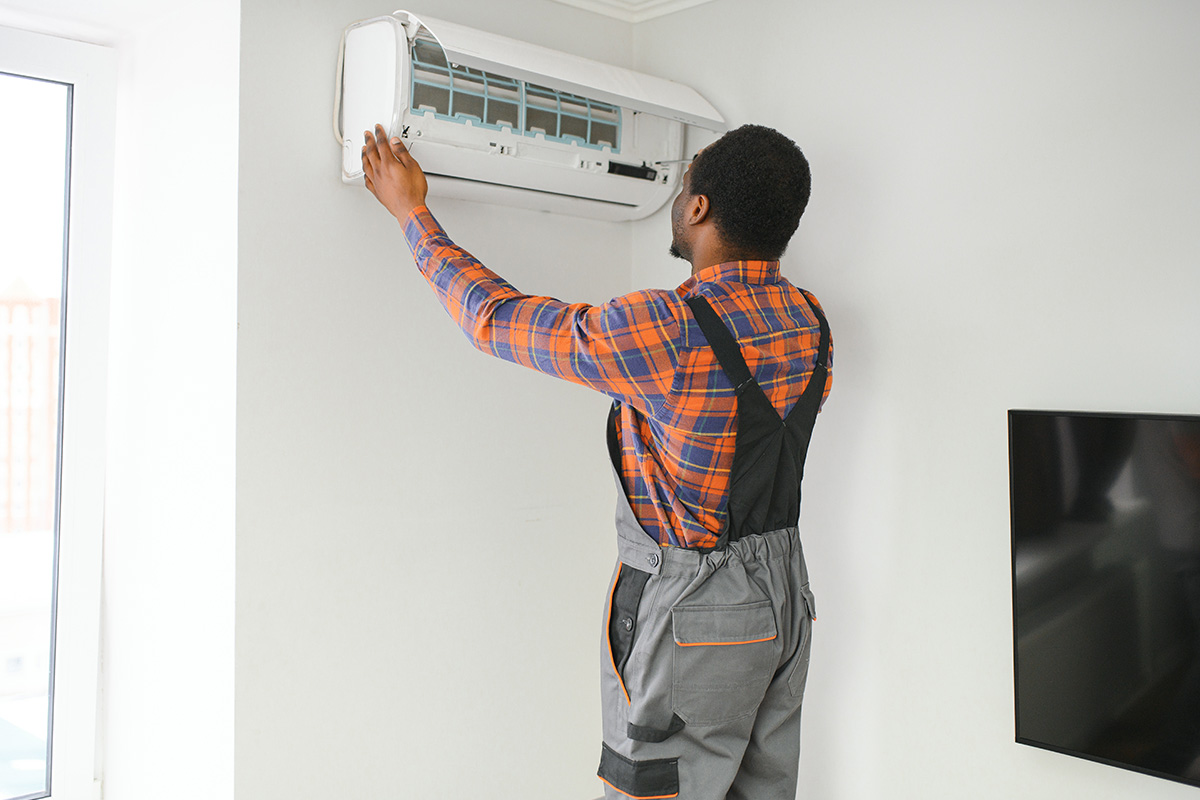

Your HVAC system is one of the hardest working appliances in your home. It keeps you warm in the winter, cool in the summer, and maintains a level of comfort you probably don’t even notice—until something goes wrong. Unfortunately, many homeowners ignore subtle warning signs until the system stops working altogether. By recognizing issues early, you can save money on repairs, avoid inconvenient breakdowns, and extend the life of your system.
Table Of Content
In this article, we’ll explore five key signs that indicate your HVAC system needs immediate attention, along with tips on what you should do if you notice them.
1. Unusual Noises
While HVAC systems aren’t completely silent, they should operate with a consistent, low hum. If you suddenly hear clanking, rattling, screeching, or grinding sounds, it’s a sign something is wrong.
- Clanking or rattling often suggests loose components such as screws, bolts, or panels. Left unchecked, these parts can damage other components.
- Screeching or squealing could point to belt issues or motor bearing problems. These require fast action, as motors under strain may fail entirely.
- Grinding or banging noises are especially concerning, as they can indicate broken parts within the blower or compressor.
What to do: Turn off the system and call a licensed HVAC technician. Continuing to run a noisy system can escalate a minor issue into a full system breakdown.
2. Uneven Temperatures
Do you notice one room feels like an icebox while another is warm and stuffy? Uneven temperatures are a classic sign your HVAC system is struggling. Common causes include:
- Leaky or blocked ductwork, which prevents air from reaching certain rooms.
- A failing compressor that can’t deliver enough cooling power.
- Poor insulation in parts of the home, making your system work harder than necessary.
- An HVAC system that is improperly sized for your home.
Why it matters: Uneven comfort not only affects your quality of life but also drives up energy bills. Your system has to work harder to balance temperatures, which leads to higher wear and tear.
3. High Energy Bills
Everyone expects energy costs to fluctuate during peak seasons, but if you notice a sudden, unexplained increase in your utility bills, your HVAC system could be the culprit.
When components such as filters, coils, or ducts are dirty or failing, your system runs longer and uses more electricity to reach the desired temperature. In some cases, a refrigerant leak may also cause the system to work harder, increasing your bills.
Tip: Compare your current bills with the same months from the previous year. A significant spike without a corresponding change in usage is a red flag.
4. Weak Airflow
Weak or reduced airflow is one of the most common signs of trouble. If air barely trickles from your vents, you may be dealing with:
- Blocked or leaky ducts.
- A clogged air filter that restricts circulation.
- A failing blower motor that needs repair or replacement.
Poor airflow doesn’t just affect comfort — it also strains your HVAC system. The longer it runs without effectively cooling or heating your home, the more likely it is to overheat or break down.
Quick check: Hold your hand up to a vent when the system is running. If the airflow feels weak compared to usual, it’s time to schedule a service call.
5. Frequent Cycling
Your HVAC system should run in consistent cycles — turning on, reaching the desired temperature, then shutting off. If it constantly switches on and off, it’s a sign of trouble.
Frequent cycling can be caused by:
- A dirty filter or clogged coil disrupting airflow.
- A thermostat malfunction, causing incorrect signals.
- An HVAC system that is too large or too small for your home.
- Low refrigerant levels or other mechanical issues.
Why it matters: Constant cycling not only wastes energy but also puts unnecessary stress on your system’s components, drastically reducing its lifespan.
What You Should Do
If you notice any of these warning signs, don’t wait. A quick inspection by a qualified HVAC professional can often catch the problem early. Some basic steps you can take include:
- Replacing air filters every 1–3 months.
- Keeping vents clear of furniture and dust.
- Scheduling routine maintenance at least twice a year.
Remember: while small fixes like replacing filters are easy DIY tasks, most HVAC issues require specialized knowledge and tools. Always leave repairs to a licensed professional.
Final Thoughts
Your HVAC system is one of the biggest investments in your home. Recognizing the early warning signs — unusual noises, uneven temperatures, rising energy bills, weak airflow, and frequent cycling — can prevent major breakdowns and save you thousands of dollars in repairs or premature replacements.
Don’t ignore these red flags. A timely call to your HVAC service provider could mean the difference between a simple tune-up and a complete system replacement.