
Water damage is one of the most frequent and costly issues homeowners face. While some problems happen suddenly, like a burst pipe, others build up quietly over time. Knowing the main causes of water damage — and how to prevent them — can save you from expensive repairs, health risks, and stress.
Table Of Content
Let’s look at the top 5 common causes of water damage in homes and the simple steps you can take to protect your property.
1. Burst or Leaking Pipes
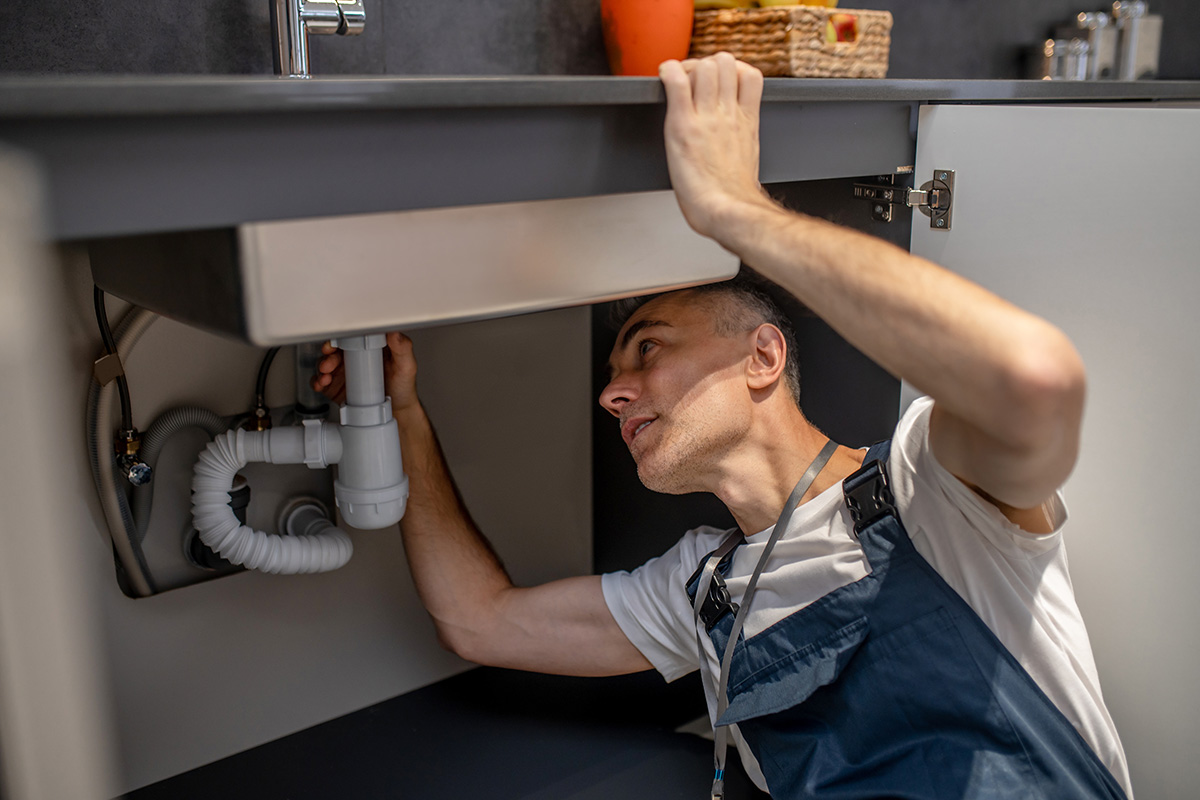
Pipes can burst due to freezing temperatures, corrosion, or high water pressure. Even a small leak can waste gallons of water and lead to hidden damage inside walls and floors.
Prevention tips:
- Insulate pipes during winter to prevent freezing.
- Check for signs of corrosion or rust.
- Install a water pressure regulator to keep levels safe (typically 40–60 psi).
- Have a plumber inspect older plumbing systems regularly.
2. Roof Leaks
Your roof is your first defense against rain and snow. Missing shingles, cracked flashing, or clogged gutters can allow water to seep into your attic, walls, and ceilings.
Prevention tips:
- Inspect your roof twice a year, especially after storms.
- Clean gutters and downspouts regularly.
- Repair or replace damaged shingles promptly.
- Install gutter guards to prevent debris buildup.
3. Appliance Malfunctions
Washing machines, dishwashers, water heaters, and refrigerators with ice makers can all cause leaks. Over time, hoses and connections may loosen or wear out.
Prevention tips:
- Inspect appliance hoses every 6–12 months.
- Replace old rubber hoses with braided stainless steel ones.
- Flush your water heater yearly to prevent sediment buildup.
- Don’t overload washing machines or dishwashers.
4. Poor Drainage and Foundation Cracks
If water pools around your home instead of draining away, it can seep into your basement or foundation. Poor grading, clogged drains, or cracked foundations make the problem worse.
Prevention tips:
- Ensure the ground slopes away from your home.
- Keep drains and downspouts clear.
- Seal foundation cracks with waterproofing compounds.
- Consider installing a sump pump in flood-prone areas.
5. Severe Weather and Flooding
Heavy rain, hurricanes, or rapid snowmelt can overwhelm drainage systems and cause flooding. While you can’t control the weather, you can take steps to minimize the impact.
Prevention tips:
- Install backflow valves in your plumbing to prevent sewage backups.
- Elevate appliances and electrical systems in basements.
- Keep sandbags or barriers ready in flood-prone areas.
- Review your home insurance to ensure it covers flood-related damage.
Final Thoughts
Water damage can strike from many sources, but most issues can be prevented with regular maintenance and awareness. By staying proactive — checking pipes, roofs, appliances, and drainage — you can safeguard your home and avoid costly surprises.
👉 Remember: prevention is always cheaper than repair. A little attention today could save you thousands tomorrow.