
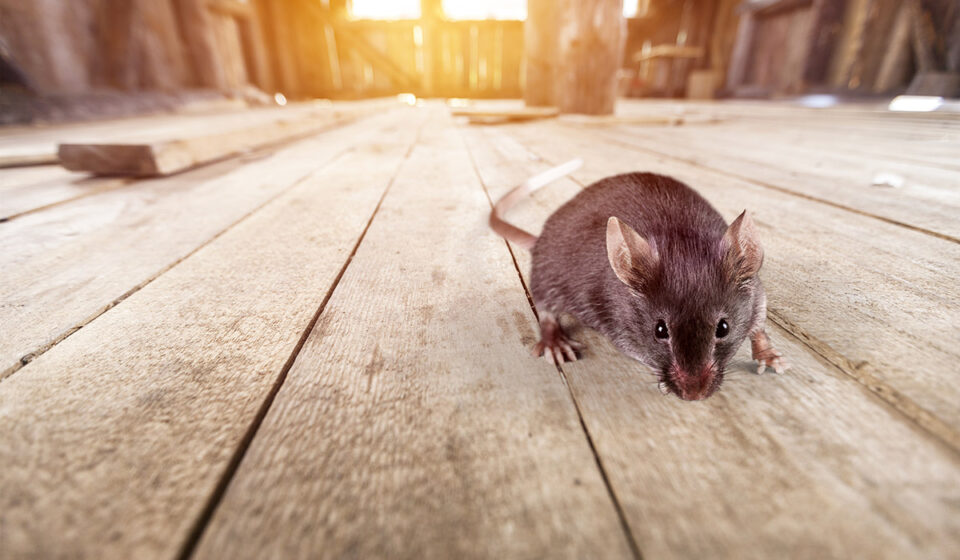

Discovering evidence of rodents in your home is unsettling, and the cleanup process often feels overwhelming. Rodents leave behind droppings, urine, hair, and nesting debris that may contain harmful bacteria and viruses. Because of this, proper sanitation is just as important as eliminating the rodents themselves. With the right approach, you can safely restore your home and prevent future infestations.
Table Of Content
Before you begin, it’s important to understand why rodent cleanup requires caution. Certain pathogens found in rodent waste — such as Hantavirus, Salmonella, or Leptospira — can become airborne if disturbed. That’s why the cleanup process must be deliberate, gentle, and disinfectant-based rather than relying on sweeping or vacuuming.
Preparing the Area for Cleaning
Start by ventilating the affected space. Opening windows and doors for 30 minutes allows fresh air to circulate and reduces the concentration of airborne particles. During this time, gather proper protective gear: disposable gloves, an N95 mask or respirator, and clothing that covers your skin. Protective eyewear is helpful if you’re working in tight spaces such as under sinks or inside cabinets.
Once the area is ventilated, avoid sweeping or vacuuming droppings. This is one of the most common mistakes homeowners make. Dry sweeping lifts dust into the air, which can spread contaminants throughout your living space. Instead, the safest method is to wet and disinfect everything before wiping it up.
Step-by-Step Cleaning Process
Below is a clear overview of each stage. The steps are expanded in text form afterward.
| Step | Action | Purpose |
|---|---|---|
| 1 | Ventilate the area | Reduce airborne particles before cleaning |
| 2 | Wear protective gear | Prevent exposure to pathogens |
| 3 | Disinfect droppings & nests | Kill bacteria and viruses before wiping |
| 4 | Remove waste safely | Prevent spreading contamination |
| 5 | Disinfect surfaces | Ensure all affected areas are sanitized |
| 6 | Wash fabrics & soft materials | Remove odors and contaminants |
| 7 | Deep-clean hidden spaces | Address attics, wall voids, and behind appliances |
| 8 | Dispose of waste properly | Prevent recontamination |
Disinfecting and Removing Waste
Begin by thoroughly spraying droppings, urine spots, and any nesting materials with a disinfectant solution. A commercial disinfectant works well, but a simple bleach mixture (one part bleach to ten parts water) is also effective. Allow the disinfectant to sit for at least 5–10 minutes so it can break down organic material and kill pathogens before you touch anything.
Once everything is soaked, use paper towels to gently lift and remove droppings. Place the waste into a thick, leak-proof trash bag. Nesting materials such as shredded insulation, fabric, or paper must also be soaked first. If insulation is heavily contaminated, it usually requires professional removal because it absorbs urine deeply and spreads odor long after the rodents are gone.
After the debris is removed, clean the surrounding surfaces thoroughly. Areas like the inside of drawers, under the sink, behind the stove, or along baseboards often collect microscopic particles even if they look clean. Use disinfectant wipes or spray to treat all of these surfaces. This stage is essential because rodents typically travel along walls, pipes, and narrow gaps, meaning contamination is rarely isolated to one small area.
Handling Fabrics and Hard-to-Reach Areas
Soft materials such as bedding, clothing, curtains, or small rugs should be washed in hot water with detergent. Heat helps break down oils and neutralizes lingering odors. Items that cannot be washed may require professional cleaning, and heavily contaminated materials may need to be discarded.
Hidden or difficult spaces — like attics, crawl spaces, behind appliances, or wall voids — often need extra attention. These are the areas rodents use as highways or nesting zones, and contamination can be extensive. Specialized disinfectant foggers or professional cleanup services are usually the best solution for these areas because they offer deeper coverage than manual cleaning.
Safe Disposal of Contaminated Materials
All waste should be double-bagged, tied securely, and taken directly to an outdoor trash bin. After handling trash bags, remove your gloves carefully, wash your hands thoroughly, and avoid touching your face until you’re fully cleaned up.
Preventing Future Infestations
Cleaning is only part of the recovery process. If rodents gained access once, there is a high likelihood they may return unless entry points and sources of attraction are addressed. The most effective prevention steps include:
Seal Entry Points
Rodents can squeeze through incredibly small openings — as little as ¼ inch for mice. Inspect areas around plumbing penetrations, foundation cracks, garage doors, vents, and attic openings. Seal gaps using steel wool and caulk or metal mesh.
Eliminate Food Sources
Store all food in airtight containers, clean crumbs daily, and avoid leaving pet food out overnight. Trash should be kept in bins with tight-fitting lids.
Reduce Clutter
Rodents love cluttered spaces like basements, garages, and storage rooms. Keep these areas organized and off the floor to reduce nesting opportunities.
Control Moisture
Leaks under sinks, damp basements, and humid crawl spaces provide rodents with water. Fix plumbing issues and improve ventilation where needed.
Schedule Professional Rodent Control
Even if you’ve removed the rodents and cleaned thoroughly, professional exclusion and monitoring can help ensure the infestation doesn’t return. Experts can identify hidden entry points, apply long-lasting deterrents, and install protective barriers.
Final Thoughts
Cleaning after a rodent infestation requires patience, caution, and the right protective measures. When done properly, it removes health risks and allows your home to return to a safe, sanitary state. But if the contamination is severe, if odors persist, or if you suspect activity in walls or insulation, professional cleanup and exclusion services offer a safer and more effective solution.