

If you are planning a repipe, adding a new bathroom, or fixing old plumbing, you will almost always be choosing between copper pipes and PEX pipes. Both materials move clean water through your home, but they’re not the same in cost, durability, installation, or long-term maintenance. Understanding the differences will help you choose the right option for your budget and your house.
Table Of Content
- What Are Copper Pipes?
- What Are PEX Pipes?
- Quick Comparison: Copper vs. PEX
- Pros and Cons of Copper Pipes
- Advantages of Copper
- Disadvantages of Copper
- Pros and Cons of PEX Pipes
- Advantages of PEX
- Disadvantages of PEX
- Cost Difference: Copper vs. PEX
- Which Lasts Longer?
- Water Quality and Taste
- Resale and Perception
- Which One Should You Choose?
- Bottom Line
Below we’ll compare copper and PEX in plain language: price, lifespan, water quality, freeze resistance, noise, resale value, and more.
What Are Copper Pipes?
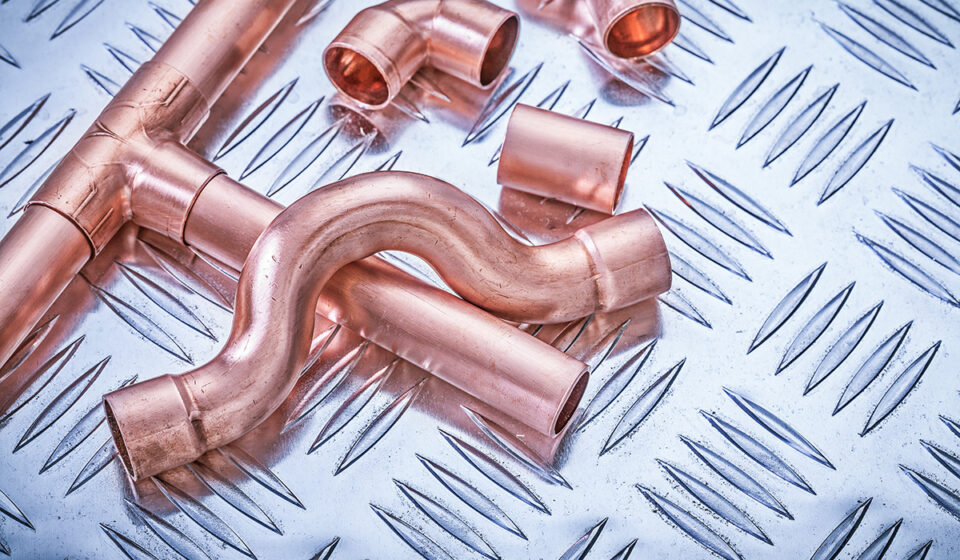
Copper pipes are rigid metal pipes made from copper. They’ve been used in residential plumbing for decades, especially for drinking water lines. Copper is naturally corrosion-resistant, can handle high temperatures, and is approved almost everywhere by building code.
Traditional copper plumbing is usually soldered (joined with heat and fittings). It’s reliable but requires skill and more labor time to install.
What Are PEX Pipes?
PEX (cross-linked polyethylene) is a flexible plastic tubing. Instead of being straight and rigid like copper, PEX bends and curves, which means it can often be routed with fewer fittings. That makes installation faster and cheaper.
PEX is especially popular in remodels because you can snake it through walls, attics, and tight spaces without tearing out as much drywall.
Quick Comparison: Copper vs. PEX
| Feature | Copper | PEX |
|---|---|---|
| Material type | Rigid metal pipe | Flexible plastic tubing |
| Typical lifespan | 50+ years if water is not highly acidic | 30–50 years under normal conditions |
| Cost to install | Higher (material + labor) | Lower (faster install, cheaper material) |
| Freeze resistance | Can burst if water freezes inside | More flexible and more forgiving in freezing conditions |
| Heat tolerance | Excellent for hot water and high heat | Good for typical residential temps, but not for extreme continuous heat |
| UV exposure | Unaffected by sunlight | Damaged by UV; cannot be left in sunlight |
| Corrosion risk | Can corrode or pit in acidic / aggressive water | Does not corrode like metal |
| Water taste | Neutral/clean taste when system is in good shape | Some people notice slight plastic taste at first |
| Code acceptance | Widely accepted everywhere | Accepted in most places, but some regions still have restrictions |
Pros and Cons of Copper Pipes
Advantages of Copper
- Very durable and time-tested. Homes with copper from the 1960s–1980s are often still running that same plumbing today.
- Handles high heat and high pressure very well, which makes it excellent for hot water lines.
- Does not melt in a fire. Copper can add a level of fire resistance that plastic lines do not offer.
- No risk of UV breakdown. Copper can be used outdoors, in sunlight, and in exposed areas.
- Generally viewed as a “premium” material in real estate listings. Some buyers see all-copper plumbing as a selling point.
Disadvantages of Copper
- Expensive. Copper pipe material costs more, and soldered copper takes longer to install than PEX push-fit or crimp connections.
- Can develop pinhole leaks in areas with acidic or aggressive water. Over time, internal pitting can cause slow, hidden leaks inside walls.
- Rigid. Running new copper through finished walls can require cutting open drywall in multiple places.
- Can transmit noise. Water hammer (that banging sound when you shut off a fast-flowing faucet) can be louder in rigid metal lines.
Pros and Cons of PEX Pipes
Advantages of PEX
- Lower cost. Both the tubing and the labor are usually cheaper than copper.
- Flexible. PEX can bend around corners, so installers often use fewer fittings and make fewer holes in walls and ceilings.
- Freeze resistance. Because PEX can flex, it is less likely than copper to burst if water freezes inside the line.
- Quiet operation. PEX absorbs pressure shock better than rigid metal, so you usually hear less banging in the pipes.
- Fast repairs and upgrades. Adding a new sink or shower line is often easier with PEX because you can tie into an existing manifold and run a new line directly.
Disadvantages of PEX
- Cannot be left in sunlight. UV light weakens PEX, so it should not be used for exposed outdoor runs unless protected.
- Not as heat-proof as copper. PEX is safe for normal residential hot water but is not ideal for very high or continuous high-temperature industrial-style use.
- Rodent risk. In some homes (especially crawl spaces and basements), rodents have been known to chew on PEX lines.
- Building code limits in some regions. While most areas approve PEX, a few local codes still prefer copper in certain applications.
- Perceived value. Some buyers still think “plastic pipe = cheaper,” even though PEX is widely used in new construction.
Cost Difference: Copper vs. PEX
In most typical residential projects, PEX is cheaper overall because:
- The tubing itself usually costs less than copper.
- The installation is faster. Flexible lines reduce cutting, drilling, and soldering time.
- Fewer fittings are needed to make bends and turns.
Copper tends to cost more because you are paying for a metal commodity plus a more labor-intensive installation process. If you are doing a full home repipe and cost is the main concern, PEX is usually the budget-friendly choice.
Which Lasts Longer?
Both materials can last decades, but they fail differently.
- Copper can last 50 years or more in good water conditions. But in areas with highly acidic water, copper can develop pinhole leaks much sooner.
- PEX is generally rated for 30 to 50 years. It doesn’t corrode like metal, but it can be damaged by UV light or chewing pests.
If you live in an area with known copper corrosion problems, plumbers often recommend PEX, not because PEX is “stronger,” but because it simply avoids that corrosion issue.
Water Quality and Taste
Copper usually delivers a very neutral taste as long as the system is in good condition and the water is not overly acidic. In some cases, very new PEX lines can give water a slight plastic-like taste at first, especially in hot water lines. This usually fades over time.
If drinking water taste is extremely important to you, you can always run a dedicated filtered line to the kitchen sink, regardless of main pipe material.
Resale and Perception
Some buyers love to hear “the home has copper plumbing” because it sounds solid and traditional. Others like to hear “the home has new PEX” because that signals fresh plumbing, fewer old joints, and lower risk of hidden corrosion. In other words, both materials can be positive for resale if they are installed correctly and are in good condition.
Which One Should You Choose?
Choose copper if:
- You want a long-proven material with a strong resale reputation.
- Your local building code is strict and prefers copper in certain areas.
- You need high heat resistance or fire resistance in exposed areas.
- Your water is not known to be aggressive or acidic toward copper.
Choose PEX if:
- You’re remodeling and want to minimize tearing open walls and ceilings.
- You need to keep costs down on a full repipe or new bathroom installation.
- You live in a climate where pipes sometimes freeze.
- You want faster installation and easier future upgrades.
Bottom Line
There is no single “best for everyone.” Copper is strong, heat-resistant, and time-tested, but it is more expensive and can corrode under certain water conditions. PEX is affordable, flexible, and easier to work with, but it must be protected from sunlight and pests, and some regions still limit its use.
For many modern homes, especially remodels and additions, PEX is the go-to choice because it keeps labor and cost under control. For high-end builds, exposed lines, or areas where code is strict, copper is still the standard. The right answer for your home usually comes down to budget, local plumbing code, your climate, and the condition of your existing system.