
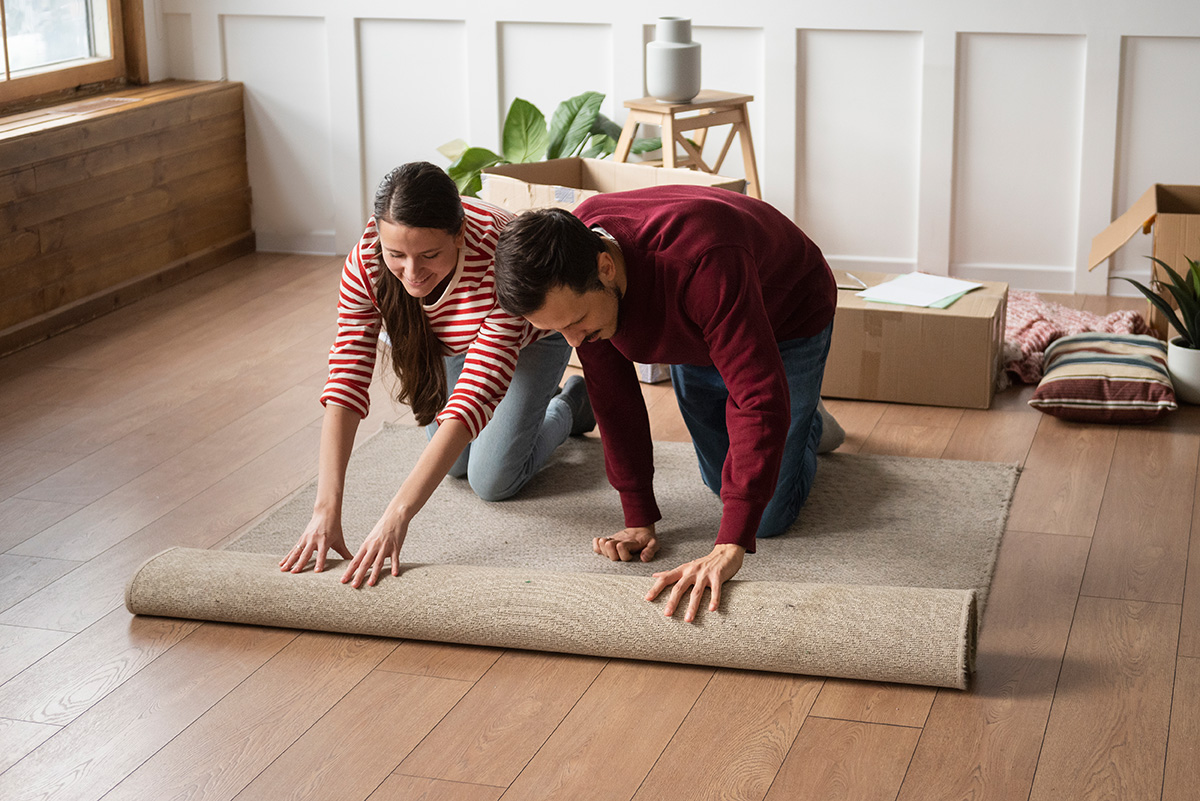

Floors take more wear and tear than any other surface in your home. From muddy shoes and pet claws to spills and heavy furniture, your flooring is constantly under pressure. But with the right care, you can keep your hardwood, laminate, vinyl, tile, or carpet floors looking like new for years to come.
Table Of Content
- 1. Clean Regularly and Correctly
- 2. Protect Floors from Furniture
- 3. Manage Moisture and Spills
- 4. Use Rugs and Mats in High-Traffic Areas
- 5. Trim Pet Nails and Use Paw Mats
- 6. Refinish or Reseal When Needed
- 7. Establish a “No Shoes” Policy
- Extra Care Tips by Flooring Type
- Why Maintenance Matters
- Final Thoughts
Here are seven essential maintenance tips every homeowner should know to protect their investment and maintain a polished look.
1. Clean Regularly and Correctly
Dirt and debris act like sandpaper, scratching and dulling surfaces over time. Regular cleaning is the foundation of good floor care.
Tips by flooring type:
- Hardwood & Laminate: Sweep daily with a soft-bristle broom or vacuum with a hardwood-safe attachment. Use a damp (not wet) microfiber mop weekly.
- Vinyl & Tile: Vacuum or sweep, then mop with a mild floor cleaner. Avoid abrasive scrubbers that can dull finishes.
- Carpet: Vacuum at least twice a week, more often in high-traffic areas. Schedule deep cleaning once or twice a year.
Pro tip: Always use cleaning products designed for your flooring type — harsh chemicals can strip finishes or cause discoloration.
2. Protect Floors from Furniture
Furniture legs can dent, scratch, or tear flooring surfaces. Preventing this damage is simple with protective tools.
What to do:
- Place felt pads under chairs, tables, and sofa legs.
- Use furniture coasters for heavier items.
- Avoid dragging furniture — lift and carry instead.
Extra tip: Rotate rugs and furniture every few months to distribute wear evenly and prevent permanent indentations.
3. Manage Moisture and Spills
Water is flooring’s worst enemy — especially for hardwood, laminate, and carpet. Even small spills can cause stains, warping, or mold growth if left untreated.
What to do:
- Wipe spills immediately with a soft, dry cloth.
- Use waterproof mats near sinks, bathtubs, and entryways.
- Keep humidity between 35–55% indoors to prevent wood from shrinking or swelling.
Pro tip: In bathrooms and kitchens, consider waterproof flooring like vinyl or tile for easier maintenance.
4. Use Rugs and Mats in High-Traffic Areas
High-traffic areas like entryways, hallways, and kitchens wear down faster than the rest of your floors. Area rugs and mats act as a shield.
Where to use them:
- Doormats inside and outside entrances to trap dirt and moisture.
- Runners in hallways to reduce wear.
- Rugs under dining tables to protect against spills and chair movement.
Bonus: Rugs also add warmth and style while protecting your investment.
5. Trim Pet Nails and Use Paw Mats
Pets bring joy — and scratches, mud, and hair. A few simple steps keep your floors pet-friendly without sacrificing beauty.
What to do:
- Keep pet nails trimmed to avoid scratches on wood and laminate.
- Place paw-cleaning mats near doors.
- Vacuum frequently to control pet hair and dander.
Pro tip: Choose rugs with washable covers in pet areas for easier cleaning.
6. Refinish or Reseal When Needed
Some flooring types benefit from periodic refinishing or sealing to restore shine and durability.
Hardwood:
- Recoat with polyurethane every 3–5 years, depending on wear.
- Fully refinish (sand and re-stain) every 7–10 years.
Tile & Stone:
- Reseal grout and stone tiles every 1–3 years to prevent staining and moisture damage.
Vinyl & Laminate:
- Cannot be refinished, but applying a protective coating approved by the manufacturer can extend life.
Pro tip: Pay attention to dullness, deep scratches, or water spots — these are signs it’s time for professional maintenance.
7. Establish a “No Shoes” Policy
Shoes track in dirt, grit, and moisture — all of which shorten the lifespan of your floors.
Benefits of a no-shoes rule:
- Reduces dirt and scratching.
- Keeps carpets cleaner for longer.
- Cuts down on cleaning time overall.
What to do:
- Provide a shoe rack or basket near entrances.
- Offer slippers or house shoes for family and guests.
This simple habit can add years of life to your floors.
Extra Care Tips by Flooring Type
- Hardwood: Avoid steam mops — they force moisture into the wood.
- Laminate: Never let water pool on the surface.
- Vinyl: Protect from direct sunlight to prevent fading.
- Tile: Scrub grout lines regularly with a gentle brush.
- Carpet: Use a quality vacuum with HEPA filters to reduce allergens.
Why Maintenance Matters
Flooring is a major investment—often one of the most expensive parts of a home remodel. With proper maintenance:
- Hardwood floors can last 50–100 years.
- Laminate can stay beautiful for 15–25 years.
- Vinyl flooring can last 20–30 years.
- Carpets remain fresh for 8–10 years.
Neglect, on the other hand, can cut these lifespans in half. Preventative care always costs less than replacement.
Final Thoughts
Floors are the foundation of your home’s style and functionality. Keeping them clean, protected, and well-maintained isn’t just about looks — it’s about protecting one of your biggest investments.
By cleaning correctly, managing moisture, using rugs, trimming pet nails, refinishing when needed, and establishing good habits, you’ll keep your floors looking like new for decades.
Remember: prevention is always easier (and cheaper) than repair. A few minutes of maintenance each week ensures your floors remain beautiful, durable, and ready for whatever life throws their way.