
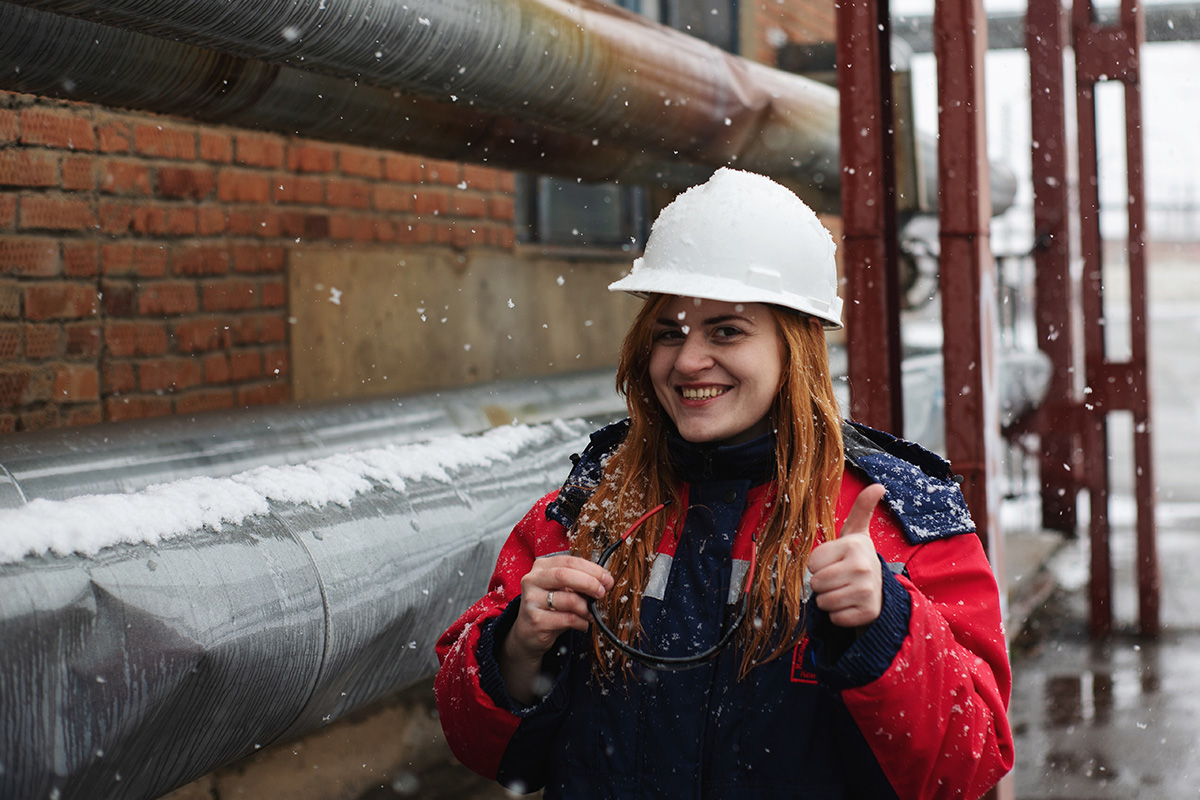

Winter can be beautiful — but it can also be brutal on your home’s plumbing. When temperatures drop below freezing, the water inside your pipes can solidify, expand, and cause pipes to burst. A burst pipe is more than just an inconvenience — it can flood your home, ruin walls and floors, and cost thousands in repairs.
Table Of Content
- Why Frozen Pipes Are Such a Problem
- Step 1: Disconnect and Drain Outdoor Water Sources
- Step 2: Insulate Vulnerable Pipes
- Step 3: Keep Indoor Pipes Warm
- Step 4: Protect Your Water Heater
- Step 5: Drain Unused Plumbing Fixtures
- Step 6: Know How to Prevent Ice Dams
- Step 7: Let Faucets Drip During Extreme Cold
- Step 8: Have a Plan for Emergencies
- The Cost of Prevention vs. Repair
- Final Thoughts
The good news? Most plumbing disasters caused by freezing can be prevented. With proper winterization, you can keep your pipes safe, your water flowing, and your stress levels low all season long.
Here’s everything you need to know about how to winterize your plumbing system and avoid frozen pipes.
Why Frozen Pipes Are Such a Problem
When water freezes, it expands by about 9%. Inside a rigid pipe, that pressure has nowhere to go, so the pipe bursts. Once temperatures rise, water begins flowing again — except now it’s pouring out into your home.
Common trouble spots include:
- Pipes in unheated areas (garages, basements, attics, crawl spaces).
- Outdoor faucets and hose bibs.
- Pipes along exterior walls without insulation.
A single burst pipe can release hundreds of gallons of water in a matter of hours, making prevention crucial.
Step 1: Disconnect and Drain Outdoor Water Sources
Outdoor plumbing is the most exposed and vulnerable to freezing.
- Disconnect hoses: Always remove garden hoses from outdoor spigots. Leaving them attached traps water inside, which can freeze and push back into the pipe.
- Shut off outdoor faucets: If your home has a shut-off valve for exterior water lines, turn it off and drain the lines completely.
- Install insulated covers: Place foam covers over outdoor spigots for extra protection.
Step 2: Insulate Vulnerable Pipes
Insulation is one of the simplest and most effective ways to protect pipes.
- Pipe sleeves or foam insulation: These are inexpensive and available at any hardware store. Wrap them around pipes in basements, crawl spaces, garages, and attics.
- Heat tape or heat cables: For pipes in very cold or exposed areas, consider applying UL-listed heat tape. It plugs in and provides controlled heat directly to the pipe.
- Seal air leaks: Use caulk or spray foam to seal cracks in walls, floors, and foundations where cold air enters near pipes.
Step 3: Keep Indoor Pipes Warm
Sometimes the best way to prevent freezing is simply keeping the ambient temperature above 32°F (0°C).
- Open cabinet doors: Allow warm air from the house to circulate around pipes under sinks, especially those along exterior walls.
- Keep the thermostat consistent: Don’t lower your thermostat drastically at night. A steady temperature reduces the risk of freezing.
- Maintain heat while away: If you leave town, set the thermostat to at least 55°F (13°C) to protect your plumbing.
Step 4: Protect Your Water Heater
Your water heater works harder in winter, and if it fails, you could be left with no hot water during freezing weather.
- Drain sediment: Sediment buildup reduces efficiency and can shorten the unit’s lifespan. Flush your water heater before winter.
- Insulate the tank and pipes: Use a water heater blanket and foam sleeves on nearby hot water lines to retain heat.
Step 5: Drain Unused Plumbing Fixtures
If you have plumbing lines you won’t use during the winter (like in seasonal cabins or outdoor kitchens), drain them completely.
- Shut off the water supply to those fixtures.
- Open faucets and let water run out.
- Use an air compressor to blow remaining water out of pipes if needed.
This step ensures there’s no standing water left to freeze.
Step 6: Know How to Prevent Ice Dams
Ice dams on the roof can lead to water backing up into walls and ceilings, indirectly affecting plumbing lines.
- Insulate the attic: Prevent heat from escaping and melting roof snow unevenly.
- Ventilate properly: Good airflow reduces the risk of ice dams.
- Clear gutters: Make sure water can flow freely away from your home.
While this isn’t directly about pipes, preventing ice dams helps reduce winter water damage overall.
Step 7: Let Faucets Drip During Extreme Cold
On particularly frigid nights, let faucets on vulnerable lines run at a slow drip. Moving water is less likely to freeze.
- Focus on faucets fed by pipes that run along exterior walls.
- The cost of a little extra water is far less than repairing a burst pipe.
Step 8: Have a Plan for Emergencies
Even with the best prevention, things can go wrong. Prepare ahead:
- Locate your main shut-off valve: Know how to turn off the water quickly if a pipe bursts.
- Keep plumber contact info handy: Have a trusted emergency plumber’s number accessible.
- Know what to do if a pipe freezes: Turn off the water supply, gently warm the pipe with a hairdryer (never an open flame), and call a professional if needed.
The Cost of Prevention vs. Repair
Winterization is affordable and quick:
- Foam pipe insulation: $1–$3 per foot.
- Outdoor faucet covers: $5–$10 each.
- Heat tape: $25–$50 for most lengths.
Now compare that to the cost of inaction:
- Average burst pipe repair: $1,000–$3,000.
- Major water damage restoration: $5,000–$10,000+.
Clearly, prevention pays.
Final Thoughts
Frozen pipes are one of the most common — and most expensive — winter plumbing problems homeowners face. But they’re also one of the easiest to prevent. By disconnecting hoses, insulating vulnerable pipes, keeping your home warm, and preparing for emergencies, you can protect your plumbing system and avoid costly disasters.
Think of winterizing your plumbing as insurance: a small investment of time and money now saves you stress, damage, and thousands of dollars later. When the temperatures drop, you’ll be glad you took the time to prepare.