

Selecting a new HVAC system is one of the most important decisions a homeowner can make. Heating, ventilation, and air conditioning aren’t just about comfort — they directly affect your home’s energy efficiency, indoor air quality, and long-term expenses. With so many types of systems available, choosing the right one may feel overwhelming. Should you go with a furnace and central air? A ductless mini-split? Or perhaps a heat pump?
Table Of Content
The right choice depends on your home’s size, climate, budget, and long-term goals. In this article, we’ll break down the most common HVAC systems, their benefits and drawbacks, and the factors you should consider before making a decision.
Why the Right HVAC System Matters
Your HVAC system is a long-term investment. A properly chosen and installed unit can:
- Maintain consistent indoor comfort year-round.
- Reduce monthly energy bills by operating efficiently.
- Improve indoor air quality by filtering and circulating air.
- Last 15–20 years with proper maintenance.
Choosing the wrong system, however, can result in higher costs, frequent repairs, uneven comfort, and premature replacement. That’s why it’s essential to understand your options before making a decision.
The Most Common HVAC Systems
1. Central Air Conditioning Systems
Central air conditioning is the most common cooling system in North America. It uses ductwork to distribute cooled air throughout the home.
Pros:
- Provides even cooling for the entire house.
- Works well in larger homes with existing ducts.
- Can be paired with a furnace for year-round comfort.
Cons:
- Requires ductwork, which can be expensive to install if your home doesn’t have it.
- Energy efficiency depends heavily on duct condition — leaks can waste 20–30% of cooled air.
Best for: Homes with existing ducts and homeowners who want consistent cooling throughout the entire house.
2. Heat Pumps
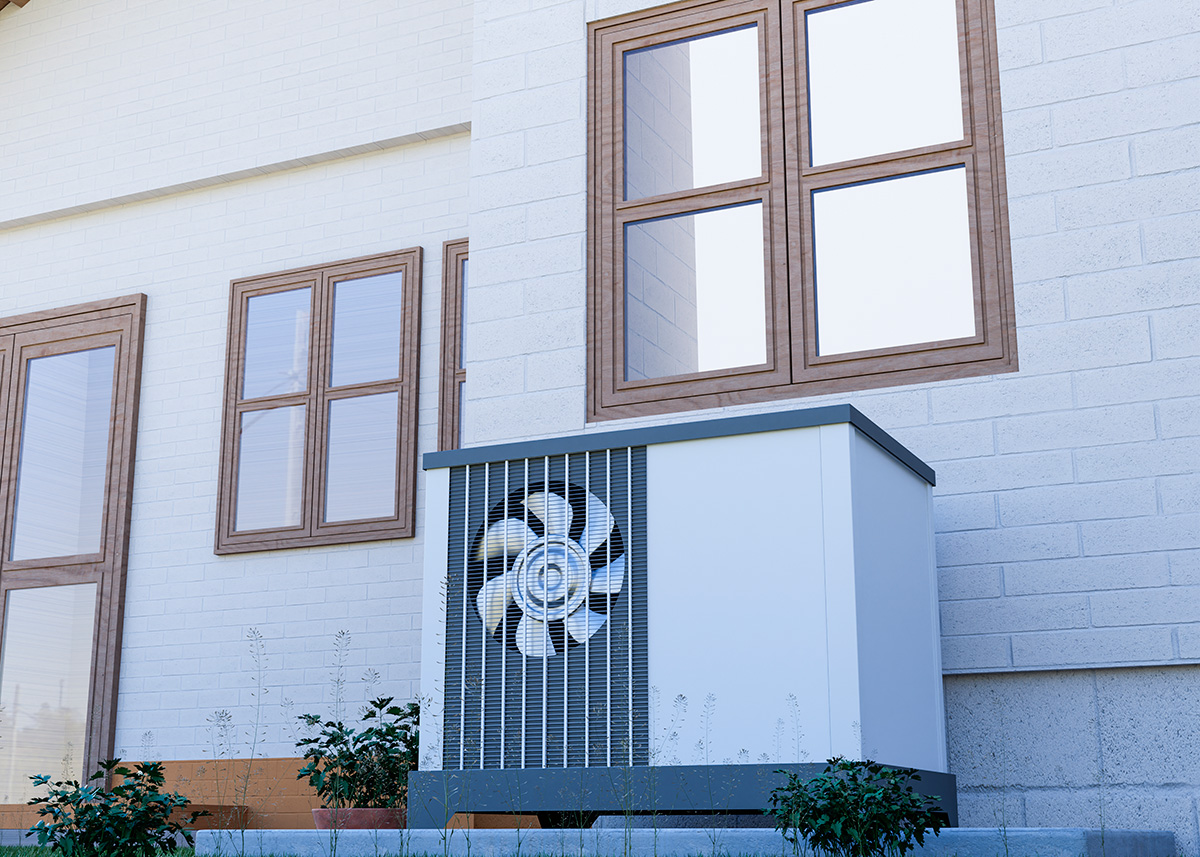
Heat pumps are versatile systems that provide both heating and cooling. Instead of generating heat, they transfer it: pulling warmth from the outside air in winter, and reversing the process in summer to provide cooling.
Pros:
- Highly energy-efficient, especially in moderate climates.
- Eliminates the need for separate heating and cooling systems.
- Can be paired with supplemental heating for colder climates.
Cons:
- Less efficient in extremely cold temperatures (though modern cold-climate heat pumps have improved).
- Higher upfront cost compared to some systems.
Best for: Homeowners in moderate climates who want an all-in-one heating and cooling solution.
3. Ductless Mini-Splits
Ductless mini-splits are increasingly popular, especially in older homes or spaces without ductwork. These systems use individual indoor air handlers connected to an outdoor unit.
Pros:
- No ducts required — great for homes without existing ductwork.
- Provides “zoned” heating and cooling, letting you control temperatures in individual rooms.
- Very energy-efficient, as no air is lost through ducts.
Cons:
- Higher upfront cost per unit compared to central systems.
- Multiple indoor units may be needed for larger homes, increasing costs.
Best for: Older homes, room additions, or homeowners who want zoned temperature control.
4. Furnaces
Furnaces are a traditional and reliable heating method, often paired with central air conditioning for cooling. They work by burning fuel (usually natural gas, propane, or oil) to generate heat, which is then distributed through ducts.
Pros:
- Provides strong, consistent heat — especially in colder climates.
- Long lifespan (15–20 years).
- Modern furnaces are highly efficient, with AFUE ratings of 90% or higher.
Cons:
- Requires ductwork for distribution.
- Doesn’t provide cooling, so typically paired with an A/C unit.
Best for: Homeowners in colder regions who need reliable, powerful heating.
5. Hybrid Systems
Hybrid systems combine a furnace with a heat pump, automatically switching between electricity and gas depending on which is more efficient at the time.
Pros:
- Energy-efficient, as it chooses the most cost-effective heating method.
- Provides both heating and cooling.
- Environmentally friendly option.
Cons:
- Higher upfront installation cost.
- Requires more complex setup and maintenance.
Best for: Eco-conscious homeowners or those living in areas with fluctuating climates.
Factors to Consider When Choosing an HVAC System
- Climate
- Hot climates may require a powerful central A/C or heat pump.
- Cold climates benefit from furnaces or hybrid systems.
- Moderate climates are ideal for heat pumps.
- Home Size and Layout
- Large homes often require central systems for even distribution.
- Smaller homes or additions may work well with ductless mini-splits.
- Existing Infrastructure
- Do you already have ductwork in place? If not, a ductless system may save money on installation.
- Energy Efficiency Goals
- Look for Energy Star-certified systems to reduce energy use.
- High-efficiency systems may cost more upfront but save money in the long term.
- Budget
- Central A/C and furnaces tend to be less expensive initially.
- Heat pumps and ductless systems cost more upfront but can lower operating costs.
- Long-Term Value
- Consider not just the purchase price but also operating costs, maintenance, and lifespan.
The Role of Professional Guidance
While researching your options is important, nothing replaces a professional load calculation and inspection. HVAC technicians use Manual J calculations to determine the correct system size for your home based on square footage, insulation, window quality, and more.
Why it matters: An undersized system won’t heat or cool properly, while an oversized system will cycle on and off too frequently, wasting energy and wearing out faster.
Final Thoughts
Choosing the right HVAC system for your home isn’t just about picking the newest model or the cheapest option. It’s about finding the system that balances comfort, efficiency, and cost for your specific needs.
- If you want whole-home comfort and already have ductwork, a central air system with a furnace is a tried-and-true choice.
- For moderate climates, a heat pump provides efficient year-round comfort.
- For homes without ducts or with unique layouts, a ductless mini-split offers flexibility and control.
- For maximum efficiency in varying climates, a hybrid system might be worth the investment.
Before making a final decision, schedule a consultation with a licensed HVAC contractor. They’ll assess your home, recommend the right system, and ensure it’s installed properly for years of reliable comfort.